What's on this page
- The short answer: what jobs with photography pay
- Employed vs freelance: two different careers
- The 15 ways to get paid, at a glance
- Wedding photography
- Portrait photography
- Product and commercial photography
- Real estate and architecture photography
- Event photography
- Photojournalism and editorial work
- Stock photography
- Content creation and social photography
- Food, sports, and specialty niches
- The paths that pay without shooting
- The gear a paying client expects
- The skills that matter more than the camera
- How to build a portfolio from zero
- How to find your first paying clients
- How photographers actually price their work
- The honest income picture
- Where a photographer’s day really goes
- The pros and cons of a photography career
- Do you need a photography degree
- Your first 90 days, a starter path
- The bottom line
Short answer: Photography jobs span far past weddings: client work such as portraits, headshots, products, real estate, and events; behind the scenes roles in editing and teaching; and platform income from stock and content. Pay runs across an enormous range driven more by which niche you choose and how you run it than by talent, from pennies per stock download to illustrative four figure day rates in commercial work. No degree is required; clients hire on portfolio.
Ask about jobs with photography and most people picture exactly one: a wedding photographer, camera in hand, working a Saturday. That image is real, but it is a sliver of the field. Photography is less a single job than a skill that plugs into dozens of industries, from real estate listings and product catalogs to newsrooms, stock libraries, brand social feeds, and the quiet, well-paid work of editing other people’s images. The camera is the entry ticket. What you do with it, and who pays you for it, splits into very different careers with very different demands and very different pay.
This field note maps that whole territory honestly. It walks 15 distinct ways to get paid with a camera, weighs employed work against freelancing, sizes the income picture without inflating it, and lays out the gear, skills, portfolio, and first clients you actually need to start. Every dollar figure here is an illustrative planning range, not a quote or a promise, because real pay swings hard with your market, your niche, and your reputation. It leans on our first-camera budget field note and our upgrade-order field note for the gear reasoning, and you can price any starter kit against your budget in about a minute with our upgrade budget planner.
Key takeaways
- Jobs with photography span far past weddings: client work like portraits, products, real estate, and events, plus behind-the-scenes roles in editing and teaching, plus platform income from stock and content.
- Income varies widely and depends more on how you sell and repeat work than on raw skill. Anchoring one reliable niche and layering others is the common path to a stable living.
- Commercial and advertising work tends to pay the most per project, but steady mid-priced portrait, event, or real estate work often out-earns a few glamorous shoots.
- No degree is required for almost any photography job. Clients hire on portfolio and reliability, so a specific, repeatable body of work beats credentials.
- The realistic starter path is to specialize, build a focused portfolio, second-shoot to learn under pressure, and treat the whole thing as a small business from day one.
The short answer: what jobs with photography pay
The honest short answer is that photography pays across an enormous range, and the range is driven less by talent than by which job you choose and how you run it. At the low, passive end sit stock images that earn pennies to a few dollars per download, and content work whose pay depends entirely on the audience behind it. In the middle sit the bread-and-butter local services: portraits, headshots, real estate, and events, which pay reliable illustrative fees per session or per booking and can add up to a real income at volume. At the high end sit commercial, advertising, and established wedding work, where a single day can command illustrative four-figure fees because a business is paying for images that do a job.
What ties the field together is that pay follows the value of the outcome to the client, not the effort or artistry you put in. A product photo that helps sell a catalog is worth more to a company than a beautiful landscape is to anyone, which is why the least glamorous niches often pay the best. Set your inputs in the companion above and it will size an illustrative monthly figure for the niche and pace you pick, so you can see how rate and volume combine into income before you commit to a path.
Employed vs freelance: two different careers
Before choosing a niche, choose a structure, because employed and freelance photography are almost different jobs that happen to share a camera. An employed photographer draws a salary from a studio, a newspaper or magazine, a photography chain, an agency, or an in-house brand or marketing team. The trade is stability for ceiling: a steady paycheck, benefits, provided gear, and someone else chasing the sales and paperwork, in exchange for lower top-end pay, less creative control, and a limited number of such jobs. For many people, especially early on, that safety net is exactly the right environment to learn the craft and the business without betting the rent on it.
A freelance photographer runs a business where shooting is only one task among many. The upside is control and a higher ceiling: you set your rates, pick your clients, choose your creative direction, and keep what you earn. The downside is that income is irregular and seasonal, there are no benefits, and a large share of your time goes to marketing, email, editing, invoicing, and admin rather than the camera. Neither path is nobler. A common and sensible route is to start employed or second-shooting for an established pro, build skills, gear, and a client base with a cushion under you, and move to freelance once the work can support it.
The 15 ways to get paid, at a glance
Here are 15 distinct paths, each a real way people earn with a camera, with an illustrative demand read, an illustrative pay range, and the core gear each leans on. Treat every figure as a wide planning band that moves with your market and experience, not a rate card.
| Niche | Illustrative demand | Illustrative pay | Core gear |
|---|---|---|---|
| Wedding photography | Steady, seasonal peaks | ~$1,500 to $4,000 per event | Two bodies, fast primes, flash |
| Portraits and headshots | Steady, local | ~$150 to $500 per session | Body, 50mm or 85mm, one light |
| Product and commercial | Strong, business-driven | ~$500 to $2,000 per day | Standard or macro lens, lights, tripod |
| Real estate and architecture | Steady, high volume | ~$150 to $400 per property | Wide lens, tripod, flash |
| Event photography | Steady, evenings and weekends | ~$300 to $1,000 per event | Body, flash, fast zoom |
| Photojournalism and editorial | Competitive, shrinking staff roles | ~$200 to $600 per day | Weather-sealed body, zoom, fast prime |
| Stock photography | Passive, slow-building | Cents to a few dollars per download | Any capable kit, shot at volume |
| Content creation and social | Growing | Varies with audience and deals | Body, wide lens, microphone |
| Food photography | Niche, urban-weighted | ~$400 to $1,500 per shoot | Standard or macro lens, tripod, lights |
| Sports photography | Competitive, seasonal | ~$200 to $600 per game | Long telephoto, fast-focusing body |
| Wildlife and nature | Competitive, low direct pay | Varies, often via print or stock | Long telephoto, sturdy tripod |
| Fashion and editorial | Competitive, big-city | Varies widely by tier | Fast primes, lighting, a team |
| Fine art and print sales | Slow, brand-driven | Varies, per-print pricing | Any kit, a strong point of view |
| Photo editing and retouching | Steady, remote-friendly | ~$25 to $75 per hour | Computer, calibrated screen, software |
| Teaching and second shooting | Steady, beginner-friendly | ~$150 to $400 per day | Your own working kit |
The sections that follow go deeper on the paths most people ask about, then cover the gear, skills, portfolio, and pricing that apply across all of them.
Wedding photography
Weddings are the niche most people mean when they think of paid photography, and for good reason: the pay per event is among the highest in consumer work, and demand is steady because people keep getting married. An illustrative full-day wedding commonly runs from roughly $1,500 to $4,000 and up, reflecting not just the hours on the day but the substantial editing that follows and the fact that the client has exactly one chance to get these images right. That last point is the whole story of the job. There are no reshoots, so weddings demand reliability, backup gear, and the composure to work fast in changing light with a crowd around you.
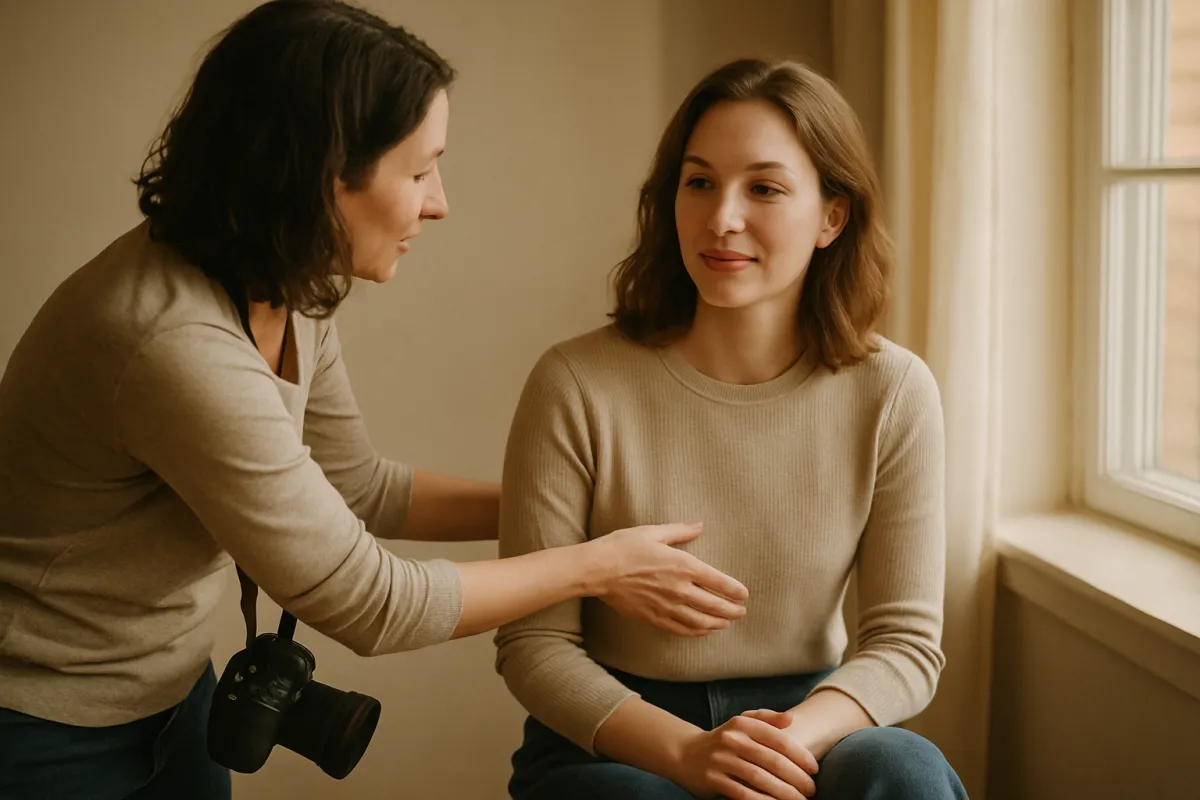
The trade for the pay is pressure and lifestyle. Weddings eat weekends through the busy season, the day itself is long and physically demanding, and a single failure, a dead card or a missed moment, is a serious problem rather than an inconvenience. This is why the standard advice is to second-shoot at real weddings before booking your own, so you learn the choreography and the stress under someone else’s insurance. The gear expectation is also higher than most niches: two camera bodies so a failure never ends the day, fast primes for dim receptions, and reliable flash. Our best lens for low light field note covers the glass that carries a dim ceremony, and our field note on backing up your photos covers the redundancy that keeps an unrepeatable day safe.
Portrait photography
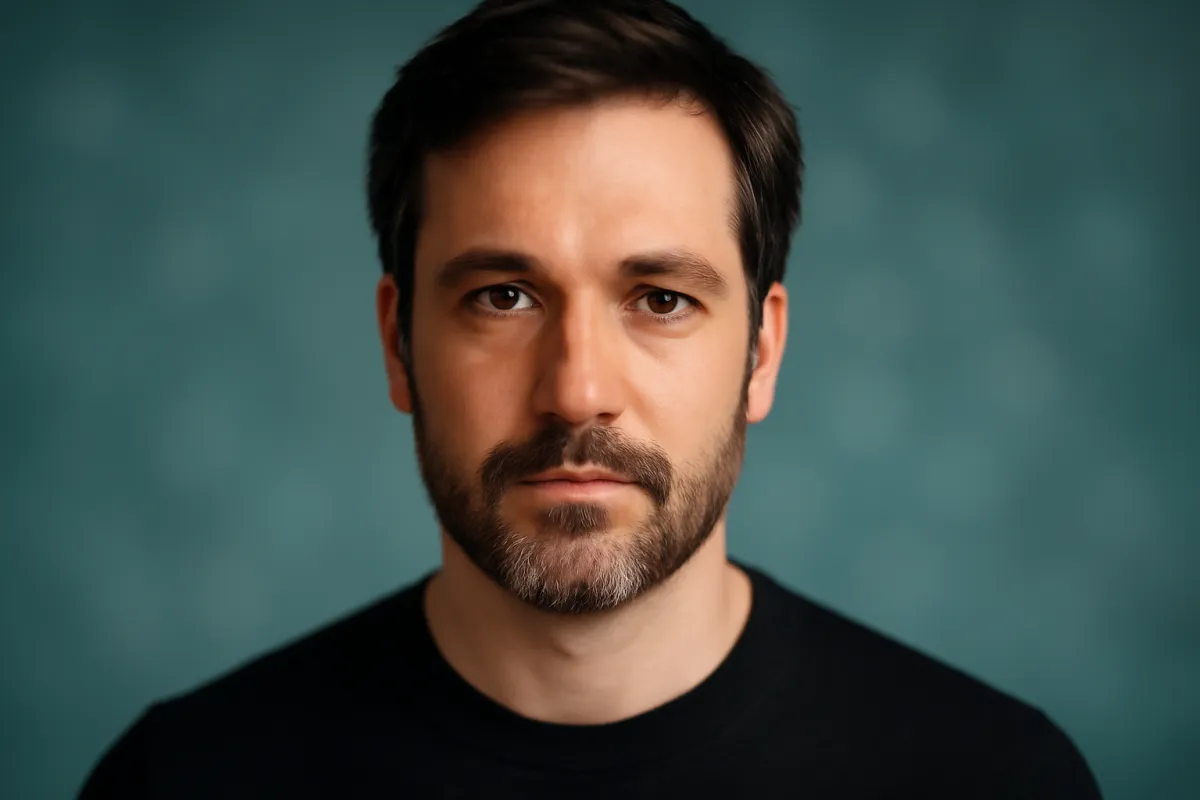
Portraits are the most accessible paid niche and one of the most durable, because the demand is broad and local: families, seniors, couples, individuals, and professionals all want good pictures of themselves at some point. Illustrative session pricing commonly runs from roughly $150 to $500 depending on your market, experience, and what the client receives. The appeal for a photographer building a career is that portraits scale from a side hustle to a full practice on the same skills, and they can be shot near home with a modest kit, which keeps the barrier to entry low and the path to a first paying client short.
A specialized and reliably paid corner of portraiture is the business headshot, where professionals, teams, and companies need clean, consistent images for websites and profiles. Corporate headshot work is attractive because it repeats, a growing company comes back as it hires, and it prices well for the short time each subject takes. The core skill across all portrait work is not the camera but the person in front of it: putting a nervous subject at ease, directing a flattering pose, and reading a face quickly. The gear is refreshingly simple, a single body, a flattering short-telephoto lens, and one controllable light, which our portrait field note walks in detail, and the focal-length choice is exactly the debate our 50mm versus 85mm field note settles.
Product and commercial photography
Product and commercial photography is where the money quietly concentrates, because the client is a business buying images that will directly help sell something, and it prices accordingly. Illustrative day rates commonly run from roughly $500 into four figures, higher for advertising and brand campaigns with usage rights attached. The work ranges from clean catalog shots of a single product on white, to styled lifestyle images showing a product in use, to full advertising production with a team. What unites it is that the images have a job to do, and a photographer who reliably makes a product look desirable is worth a lot to the company selling it.
The trade is that commercial work is technical, controlled, and client-driven rather than spontaneous. Success leans on lighting skill, patience, consistency, and the ability to take direction from art directors and brand managers who have a precise result in mind. The gear centers on lighting and a sharp standard or macro lens more than on any exotic body, and a tripod for the repeatable, precise framing catalog work demands. This niche also rewards business maturity: contracts, usage licensing, and professional communication matter as much as the photography, and it is often reached by building a reputation in a simpler niche first, then moving up as your portfolio and client relationships grow.
Real estate and architecture photography
Real estate photography is one of the best-kept entry points into paid work, because demand is steady and high-volume: agents need fresh, appealing images for every listing, and listings turn over constantly. Illustrative pricing commonly runs from roughly $150 to $400 per property depending on size, market, and extras like twilight shots or floor plans. The appeal is repeatability and relationships, a single busy agent or brokerage can become a recurring client that fills your calendar, which turns a modest per-job fee into a reliable income through volume and routine.
The work rewards efficiency and a specific technical skill set more than artistic flair. You need to make rooms look bright, spacious, and true, which means a wide-angle lens, a tripod for level, consistent framing, and comfort blending window light with flash so interiors look natural rather than dim or blown out. It is also physically manageable and local, with predictable daytime hours, which makes it friendlier to build around than weekend-heavy event work. The competitive edge is less about spectacular images than about being fast, consistent, and easy for a busy agent to rely on, which is a business skill as much as a photographic one.
Event photography
Event photography covers the wide middle ground between weddings and commercial work: corporate conferences, parties, galas, concerts, festivals, sporting events, and the day-to-day functions businesses and organizations document. Illustrative pricing commonly runs from roughly $300 to $1,000 per event depending on length, client, and deliverables. Demand is steady and clusters on evenings and weekends, and the barrier to entry is lower than weddings because the stakes on any single frame are lower, which makes events a common training ground for photographers building toward higher-pressure work.
The core challenge is working fast and unobtrusively in unpredictable, often dim venues, capturing key moments, candid interactions, and the details a client will want, all while staying out of the way. That puts a premium on low-light ability and reliable flash, which our field note on shooting in low light addresses directly, and on a versatile zoom that lets you reframe quickly without swapping lenses in a crowd. Corporate event work in particular can lead to ongoing relationships and higher-value commercial assignments, since a company that trusts you with its conference may also hire you for headshots, products, and marketing images. Events, in other words, are both an income source and a doorway to steadier, better-paid work.
Photojournalism and editorial work
Photojournalism and editorial photography, the news, documentary, and magazine work that tells stories with images, is the niche most romanticized and most changed by the industry’s economics. Staff newspaper and magazine jobs have shrunk substantially, so much of the work is now freelance and assignment-based, with illustrative day rates commonly running from roughly $200 to $600 for editorial assignments, often lower than the drama of the work suggests. It is a field entered for the meaning and the storytelling as much as the money, and honesty about the pay and competition matters before anyone builds a life plan around it.
The skills are distinct from studio work: the ability to find and tell a story in images, to work fast in uncontrolled and sometimes difficult conditions, to build trust with subjects, and to maintain ethical standards around truthfulness and consent. The gear leans toward rugged, weather-sealed bodies, versatile zooms, and a fast prime for available light, because the photojournalist rarely controls the scene. For those drawn to it, the path usually runs through building a documentary portfolio, pitching stories to publications, and often combining editorial work with better-paying commercial or event assignments to make the numbers work. It is a vocation more than a reliable paycheck, and the people who sustain it usually plan their income accordingly.
Stock photography
Stock photography is the most misunderstood income stream, because it works nothing like a job and everything like a slow-building asset. You shoot images, upload them to stock libraries, and earn a small amount, often cents to a few dollars, each time someone licenses one, which means a single photo can keep paying for years or never sell at all. Nobody sensible treats stock as a paycheck. It is stacking, passive-leaning income that rewards volume, consistency, and a sharp sense of what businesses actually search for and buy, which is rarely the artistic image you are proudest of.
The realistic way to earn from stock is to build a large, well-keyworded library around commercially useful subjects, and often to layer it on top of other work rather than pursue it alone. A commercial or event photographer already producing images can license the usable byproducts; a specialist can shoot deliberately for gaps in the market. The gear barely matters beyond a capable, sharp kit, because stock buyers care about relevance and usability more than exotic equipment. The honest expectation is a small, slow-growing trickle that can become meaningful at scale over years, not a fast or reliable income, and treating it that way is the difference between a useful supplement and a disappointing dead end.
Content creation and social photography
Content creation is the newest and fastest-growing way to get paid with a camera, and also the hardest to pin a number on, because the income comes from the audience and the brands behind it rather than from a per-shoot fee. A photographer who builds a following can earn through brand partnerships, sponsored content, affiliate arrangements, selling presets or courses, and creating images and short video for companies that need a steady social feed. Pay varies enormously, from nothing while you build to substantial deals for creators with real reach, which is why this path rewards patience, consistency, and marketing as much as photography.

The important truth about content work is that the photography is often the easy part, and the audience is the asset. Brands pay for the reach, trust, and consistency a creator has built, so the skills that matter most are storytelling, showing up regularly, understanding a platform, and the business sense to price and structure deals. Many photographers now blend content creation with a traditional niche, using a social presence to market their portrait, wedding, or commercial services while also earning from the audience directly. The gear is modest, a capable body, a versatile lens, and increasingly a microphone and video ability, since short video now drives much of the reach. It is a legitimate and growing career, but it is a media business you run with a camera, not a shooting job.
Food, sports, and specialty niches
Beyond the mainstream paths sit a cluster of specialty niches, each a real career for the right person and each rewarding a particular obsession. Food photography, making dishes look irresistible for restaurants, brands, cookbooks, and menus, is a lucrative urban niche where illustrative shoots commonly run from roughly $400 to $1,500 and lean on lighting, styling, and a sharp standard or macro lens. Sports photography demands fast reflexes, a fast-focusing body, and a long telephoto to freeze action from the sidelines, with illustrative per-game pay often modest and the competition intense. The prime versus zoom debate matters here, since sports and wildlife shooters weigh reach against speed constantly.
Wildlife and nature photography attracts many and pays few directly, with income usually arriving through prints, stock, licensing, or tourism work rather than day rates, and it demands patience, long lenses, and a tolerance for uncertainty. Fashion and editorial photography can reach high pay at the top tiers but is fiercely competitive, big-city-weighted, and dependent on building relationships with a team of stylists, models, and editors. Fine art photography, selling prints and building a collectible body of work, is slow, brand-driven, and rarely a reliable primary income, but it can layer meaningfully onto a commercial practice. None of these is a beginner’s fast track to a paycheck, but each is a genuine niche that a dedicated specialist can build a career or a strong income stream around over time.
The paths that pay without shooting
Not every photography job involves pressing the shutter, and the behind-the-scenes roles are among the steadiest and most overlooked ways to earn with the same skills. Photo editing and retouching, cleaning up, color-grading, and polishing other photographers’ images, is remote-friendly, in constant demand, and pays an illustrative $25 to $75 per hour depending on skill and specialty. High-end retouching for beauty, product, and fashion is a specialized craft that pays well precisely because few people do it superbly. A digital technician, or digitech, manages files, tethering, and color on commercial sets and earns a solid day rate as the technical backbone of a shoot.
Teaching is another durable path: workshops, one-on-one lessons, online courses, and community-college classes all pay photographers to transfer skills rather than produce images, and demand is steady because new hobbyists arrive constantly. Second shooting for established photographers is the beginner-friendly version of the same idea, earning an illustrative $150 to $400 per day while you learn the trade under real conditions. These non-shooting and support roles matter for two reasons. They offer income that does not depend on booking your own clients, which stabilizes an irregular freelance year, and they are excellent on-ramps that build skill, network, and reputation while you develop the portfolio for higher-paid work of your own.
The gear a paying client expects
The gear question intimidates beginners far more than it should, because paid work rewards reliability over novelty, and the honest starting kit is smaller than the marketing implies. The foundation is one capable camera body, one or two lenses suited to your niche, and the unglamorous essentials that keep a paid shoot from failing: spare batteries, plenty of memory cards, and a same-day backup habit. For client work, most professionals also want a backup body or a firm rental plan, because gear failure at someone’s wedding or paid event is a business liability, not just bad luck. Whether you start with a mirrorless or DSLR body barely matters for the work, a decision our mirrorless versus DSLR field note breaks down cleanly.
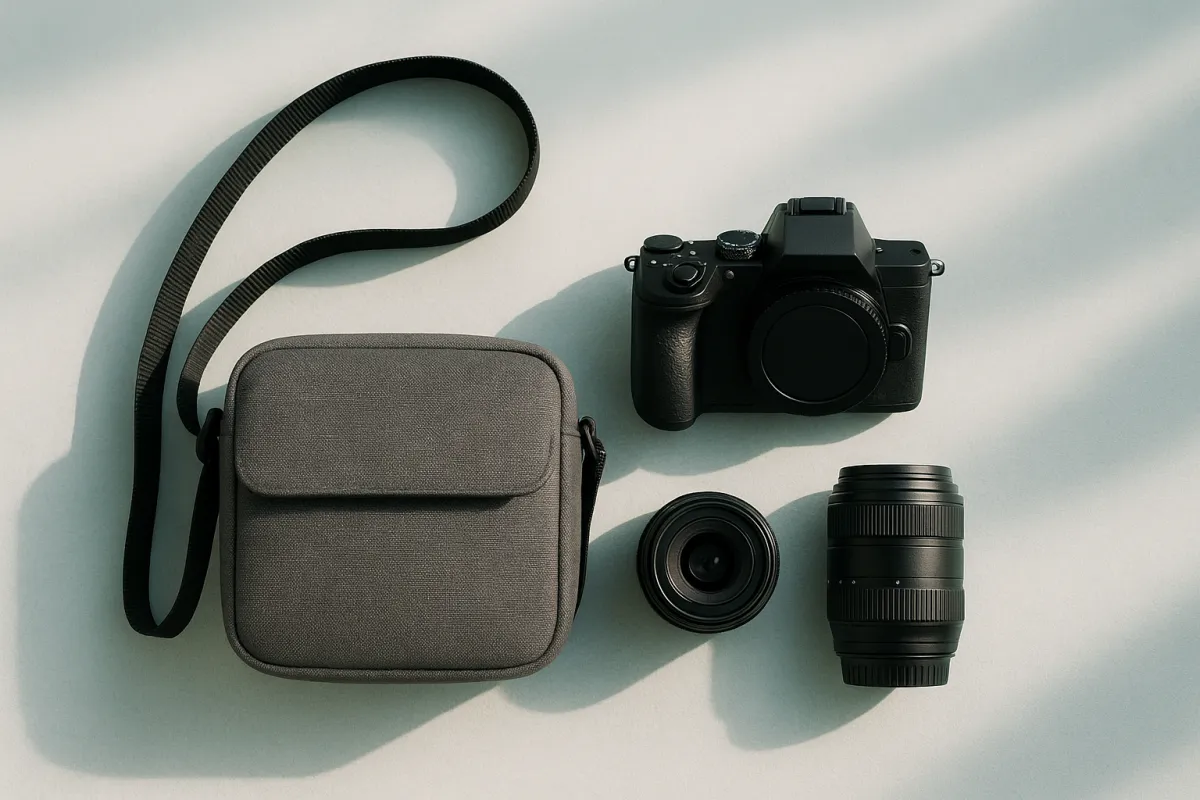
Where the money should go depends entirely on the niche, and matching gear to the job beats chasing specs every time. A portrait photographer invests in a flattering lens and controllable light; a wedding or event shooter invests in low-light lenses, flash, and a second body for redundancy; a real estate photographer needs a wide lens and a tripod; a sports or wildlife shooter needs a long telephoto and a fast body. Our upgrade-order field note argues that lenses shape a photograph more than bodies do, which is doubly true for paid work, and buying quality glass used is the standard way to reach professional-grade gear on a modest budget. Price your realistic starter kit against your savings with our upgrade budget planner before you buy, and resist the urge to spend on a body when the lens is what your clients will see.
The skills that matter more than the camera
The uncomfortable truth of every paid niche is that photographic skill is necessary but rarely the thing that decides who earns a living. The photographers who build stable careers are usually the ones who run a good business: they answer inquiries promptly, price their work clearly, deliver on time, communicate professionally, and make clients feel looked after. A brilliant photographer who is hard to reach and slow to deliver loses to a competent one who is reliable and easy to work with, every time. Sales, marketing, pricing, contracts, and client management are not distractions from the craft; for a working photographer they are the craft’s other half.
The second cluster of underrated skills is about people and process. Client work is largely about directing humans, putting a nervous subject at ease, posing quickly, reading a room, and keeping an event on schedule, which is why so much paid photography is really applied people skill with a camera attached. Editing is the other large, invisible time sink: the shooting is a fraction of the job, and efficient, consistent post-processing is what makes the work profitable rather than a time-losing hobby. Understanding light, which our exposure triangle field note grounds, and shooting confidently in manual so you control the result regardless of conditions, per our manual mode field note, are the technical foundations that let all of this happen fast and reliably.
How to build a portfolio from zero
No client hires a photographer without seeing work, which creates the beginner’s paradox: you need a portfolio to get paid, and you seem to need paid jobs to build a portfolio. The way through is to create the work deliberately rather than wait for it. Shoot friends and family in your chosen niche, offer free or low-cost sessions in exchange for permission to use the images, collaborate with other creatives building their own portfolios, and photograph local businesses or events for the experience and the samples. The goal is not volume but specificity: a portfolio should show the exact kind of work you want to be hired for, because clients hire the photographer whose existing pictures already look like what they want.
That focus is the single most important portfolio principle and the one beginners most often miss. A collection of pretty but unrelated images, a few landscapes, some pets, a sunset, tells a prospective portrait or wedding client nothing about whether you can do their job. A tight set of strong, consistent images in one niche tells them exactly that. Curate ruthlessly, showing only your best and cutting anything weak, since a portfolio is judged by its worst included image as much as its best. Present it where clients will find it, a simple clean website and a consistent social presence, and keep refreshing it as your work improves, so the first thing a client sees is always your current ceiling, not your starting point.
How to find your first paying clients
First clients almost never come from advertising; they come from proximity and proof. The most reliable early channel is people you already know and the ripple beyond them: tell your network what you are offering, and let friends, family, and acquaintances become both first clients and first referrers. The second channel is second shooting and assisting established photographers, especially in weddings and events, which pays you to learn under real pressure and frequently leads to overflow work and referrals when a busy pro cannot take a booking. The third is local businesses and organizations, which constantly need images and are often easier to approach than they seem.
Beyond those, the durable engine of a photography business is word of mouth built on delivering well: every happy client is a source of referrals and repeat work, which is why professionalism and reliability compound over time. A simple website that is easy to find, consistent posting of your best niche work so you surface when people look, and genuine local relationships do more than any ad spend for most photographers. The pattern across all of it is specificity and trust: clients hire the photographer whose work already matches their need and whom someone they trust vouches for. Build those two things, a focused body of work and a reputation for delivering, and the first paying clients arrive and then multiply.
How photographers actually price their work
Pricing is where new photographers most often undercut themselves, because they price the hours on the shoot and ignore everything else, then wonder why the work does not add up to a living. The honest way to price is to count the whole job: the shoot, the substantial editing that follows, the marketing and admin that found and booked the client, the cost and depreciation of gear, software subscriptions, insurance, and self-employment taxes. A fee that looks generous next to an hourly wage often shrinks to modest once all of that is subtracted, which is why sustainable pricing is higher than beginners expect and why underpricing is the fastest way to burn out.
Where a working photographer's hours actually go
Illustrative split of time across a typical freelance week. Sums to 100 percent.
Notice how small shooting is: only about a quarter of the week is behind the camera, which is exactly why pricing the shoot hours alone leaves a photographer underpaid.
The practical model most working photographers settle on is to know their true annual costs and target income, divide by the realistic number of jobs they can actually book and deliver in a year, and price from there rather than from what a shoot feels worth in the moment. Because roughly three quarters of a working week is not shooting, as the split above illustrates, a per-shoot fee has to cover far more than the time on site. The companion above turns your own rate and booking pace into an illustrative monthly and annual figure, and applies an honest haircut for costs and taxes, so you can see whether a niche and a price actually support the income you need before you commit to it.
The honest income picture
Any single income number for photography is misleading, because the field spans hobby-level side money to substantial business revenue depending entirely on niche, pace, and how the work is run. What is honest is the shape of it: pay per job varies widely by niche, and the highest-paying niches are usually the least frequent and most competitive, so income depends on combining rate and volume rather than chasing the biggest headline fee. The chart below sizes illustrative per-booking pay across common niches so the spread is visible, but remember that a modest fee booked often can out-earn a large fee booked rarely.
Illustrative pay per booking or day by niche
Rough midpoints of wide, illustrative ranges. Real pay varies by market and experience.
Widths scale with the dollar midpoints. The tallest bar is not the best living: a wedding is one long day, while portraits or real estate can be booked many times a week.
The realistic income arc for most people is a slow ramp. The first year or two usually goes to building a portfolio, a reputation, and a client base while income stays thin, followed by a gradual climb as referrals compound and pricing rises with skill. A stable full-time living is very achievable in the reliable niches for a photographer who runs the business well, but it is rarely fast and rarely matches the glamorous top-end figures that circulate online. The people who reach a comfortable income almost always anchor one dependable niche, layer additional streams around it, price honestly, and treat every number as a planning estimate to test against their own market rather than a promise.
Where a photographer’s day really goes
It is worth dwelling on the time reality, because it is the single biggest surprise for people entering the field and the reason so many underprice and burn out. The romantic image of the job is the shoot, but as the time split earlier showed, shooting is only about a quarter of a working week. The largest block is editing and culling, sorting hundreds or thousands of frames down to the keepers and processing them to a consistent, professional standard, which is skilled, time-consuming work that clients never see but always judge. A photographer who edits slowly or inconsistently loses money on every job, which is why editing efficiency is one of the highest-leverage skills in the whole business.
The next largest block is the business itself: answering inquiries, sending quotes and contracts, invoicing, marketing, updating a portfolio, and the endless small admin of self-employment. None of it involves a camera, and all of it is what keeps the calendar full and the business legal and solvent. The remaining sliver goes to learning and gear upkeep, staying current and keeping equipment working. Understanding this split changes how you price, since you are charging for a whole workflow rather than a few hours on site, and it changes who thrives, since the photographers who last are the ones who accept that the camera is one tool in a business, not the whole job. Set your rate and pace in the companion above to see how that full workflow translates into an illustrative income.
The pros and cons of a photography career
The case for a photography career is genuinely strong for the right person. The work is creative, varied, and often deeply satisfying, letting you make a living from something many people do for love. There are many distinct paths and income streams, so you can shape a career around your temperament and life. Freelancing offers real control over your schedule, clients, and creative direction, and the ceiling for a skilled, business-minded photographer is high. For people who are self-motivated, good with clients, and willing to run a business, it can be a flexible and rewarding way to earn that few conventional jobs match.
The case against is equally honest and worth facing squarely. Competition is intense, since low gear barriers and phone cameras have flooded the field and raised client expectations while lowering the perceived value of casual images. Income is often irregular and seasonal, benefits are your own responsibility as a freelancer, and a large share of the work is unpaid-feeling time on editing, marketing, and admin rather than shooting. It can be physically demanding and, in weddings and events, hard on weekends and evenings. The honest summary is that photography rewards business discipline as much as artistic talent, and the people disappointed by it are usually the ones who expected a creative dream and found a small business. Go in clear-eyed, treat it as a business from the start, and the pros can genuinely outweigh the cons.
Do you need a photography degree
The short answer is no: almost no photography job requires a degree, and clients and most employers hire on portfolio and reliability rather than credentials. What you are actually selling is proof that you can deliver the specific images a client needs, plus the professionalism to run the job well, and neither of those lives on a diploma. Many highly successful working photographers are self-taught or learned through assisting, workshops, and relentless practice, and the money and years a degree costs can often be better spent on gear, real shooting experience, mentorship, and building the portfolio that actually books work.
That is not an argument against all formal education, but a reframing of how to judge it. A good program can genuinely help by compressing the learning curve, providing structured feedback and critique, teaching the business and technical fundamentals in an orderly way, and building a professional network that leads to opportunities. A handful of institutional, scientific, or salaried roles may prefer or require a formal qualification. The right question is not whether a degree is impressive but whether a given program will accelerate the outcomes that matter, a strong portfolio, real skills, useful connections, more efficiently than the self-directed alternative would. Judge it as an investment against those specific returns, and for most freelance and studio paths the honest answer is that the portfolio matters far more than the paper.
Your first 90 days, a starter path
If you want a concrete on-ramp rather than a list of options, a simple 90-day sequence turns intention into a first paid job without requiring you to quit anything. In the first month, choose one niche that fits your life and market, learn your camera cold in manual so conditions never control you, and shoot deliberately for a portfolio using friends, family, and free or trade sessions. Resist the urge to buy expensive gear yet; a modest kit and the fundamentals in our first-camera budget field note are enough to build a body of work, and you can always upgrade your camera once paid work names a real limit the current one cannot pass.
In the second month, curate your strongest images into a tight, niche-specific portfolio, put it on a simple website, and start posting consistently so your work is findable. Reach out to established photographers in your niche about assisting or second shooting, which pays you to learn under real conditions and seeds referrals. In the third month, tell your whole network what you offer, approach a few local businesses or organizations, and take your first small paid bookings, pricing to cover the whole job rather than just the shoot hours. Treat every early client as a source of referrals by delivering reliably and professionally. Ninety days will not build a full income, but done this way it reliably produces a portfolio, a first paying client, and a clear, honest read on whether this career fits you.
The bottom line
Jobs with photography are far broader and far more varied than the wedding-photographer image suggests, spanning client services, behind-the-scenes editing and teaching, and platform income from stock and content, each with its own demands and pay. Income varies widely and is driven more by which niche you choose and how you run the business than by raw artistic skill, which is why the reliable path to a living is to anchor one dependable niche, layer others around it, price for the whole workflow rather than the shoot alone, and treat the entire thing as a small business from the first day. No degree is required; a specific, repeatable portfolio and a reputation for delivering are what actually book work. Start by picking one niche, building a focused portfolio, second shooting to learn under pressure, and pricing honestly, and you will know within a season whether this genuinely varied and rewarding field fits the life you want. Every figure here is an illustrative planning range to test against your own market, not a promise to bank on.
KitBorough field notes exist to help you make good decisions, not to sell you a career or a course, and nothing here is sponsored or affiliated with any employer, platform, or brand. Every pay range, day rate, and percentage in this article is an illustrative planning figure rather than a guaranteed salary or a market quote, and real earnings vary enormously with your location, niche, experience, pricing, and reputation. Before you leave a job, spend on gear, or bank on a number, verify current rates in your own market against real working photographers and treat the transition as the business decision it is.
Frequently asked questions
What jobs can you get with photography?
Far more than most people picture, because photography is a skill that plugs into many industries rather than a single job title. On the client-facing side you can shoot weddings, portraits, headshots, events, real estate, products, food, sports, and editorial or news assignments, either employed by a studio or agency or working freelance. Behind the scenes you can earn as a photo editor, retoucher, digital technician, or a teacher and workshop leader. There is also passive and platform income through stock libraries, print sales, and content creation for brands and social audiences. The honest picture is a spectrum of roles, most of which reward a specific, repeatable body of work far more than a general love of the camera.
Can you make a living as a photographer?
Yes, many people do, but the ones who make a stable living treat it as a business first and an art second. Income varies widely and depends far more on how you sell and repeat work than on how good any single frame is, so two photographers of similar skill can earn very different amounts. A common and honest pattern is to anchor on one reliable niche that pays predictably, such as weddings, headshots, real estate, or commercial work, and layer additional income streams around it. The figures cited across this article are illustrative planning ranges rather than promises, and real earnings swing with your market, your reputation, and your pricing. Expect a slow ramp: the first year or two is usually about building a portfolio and clients, not a full income.
What is the highest paying type of photography?
On a per-project basis, commercial, advertising, and high-end product photography tend to sit at the top, because a business is paying for images that will directly help sell something and it prices accordingly. Established wedding photography can also pay well per event given the full day of shooting plus editing, and specialized fields like architecture, fashion, and industrial work reach high day rates for experienced shooters with the right client relationships. That said, the highest illustrative rate on paper is not the same as the highest income, because the best-paying niches are often the most competitive and least frequent. A steady stream of mid-priced portrait or real estate work can out-earn a handful of glamorous commercial shoots. All of these figures are illustrative and vary widely by market and experience.
Do you need a degree to be a photographer?
No, a degree is not required for almost any photography job, and clients hire on portfolio and reliability rather than credentials. What matters is a body of work that proves you can deliver the specific images a client needs, plus the business skills to book, price, and finish the work professionally. A formal program can help by compressing the learning curve, giving structured feedback, and building a network, and a few salaried or institutional roles may prefer or require a degree. For most freelance and studio paths, though, the money and time are usually better spent on gear, real shooting practice, mentorship, and building a portfolio than on tuition. Judge any program by whether it accelerates those outcomes, not by the certificate at the end.
How do beginner photographers get their first clients?
Almost always through people they already know and work they can show, not through advertising. The reliable starter path is to build a small, focused portfolio by shooting friends, family, local businesses, or free and low-cost sessions in your chosen niche, then to make that work easy to find and share. Second shooting for an established photographer, especially at weddings and events, is one of the best on-ramps, because you earn while you learn under real pressure and often gain referrals. From there, word of mouth, a simple website, and consistent posting of your best niche work bring the first paid inquiries. The common thread is specificity: clients hire the photographer whose existing pictures already look like what they want.
Is photography a good career in 2026?
It can be a genuinely good career for the right person, but it rewards business discipline as much as artistic skill, and that trade-off is worth understanding before you commit. The upsides are real: creative, varied work, the ability to build your own schedule and brand, and many distinct paths to income. The challenges are equally real: strong competition, income that is often irregular and seasonal, unpaid time spent on editing and marketing, and the fact that phone cameras have raised client expectations while lowering the perceived value of casual images. The people who thrive tend to specialize, price their time honestly, and run the numbers like any small business owner. Treated that way it is a viable career; treated as a hobby that happens to charge, it usually is not.
Is it better to be an employed or freelance photographer?
Neither is better in the abstract; they suit different temperaments and life stages, and many photographers move between them over a career. Employment, whether at a studio, a newspaper, an agency, or an in-house brand team, offers a steady paycheck, benefits, provided gear, and someone else handling sales and admin, at the cost of lower ceiling, less creative control, and fewer jobs available. Freelancing offers control over your rates, clients, and creative direction plus a higher potential ceiling, at the cost of irregular income, no benefits, and the reality that you are running a business where shooting is only part of the work. A common honest route is to start employed or second-shooting to learn the craft and the business with a safety net, then go freelance once you have skills, gear, and a client base.
What gear do you need to start a photography business?
Less than beginners fear, and the honest starting kit is one reliable camera body, one or two good lenses suited to your niche, and the basics that keep a paid shoot from failing: spare batteries, extra memory cards, and a way to back up files the same day. For paid work most professionals also want a backup body or a clear rental plan, because gear failure at a client's event is a business risk, not just an inconvenience. Lighting, a tripod, and editing software round out the kit depending on what you shoot. Buying used is a smart way to reach professional-grade gear on a modest budget, and the guiding rule is to spend on the lenses and reliability your specific niche demands rather than on the newest body. These are illustrative starting points, not a fixed shopping list.