What's on this page
- Why full-frame mirrorless cameras dominate the conversation
- What sensor size actually is
- The light-gathering advantage, honestly sized
- Depth of field: the blur question
- Crop factor: tax on wide, gift on long
- The system cost gap, not the body gap
- Weight: the spec that decides whether the camera comes along
- Autofocus, video, and the specs that do not care about format
- Who genuinely benefits from full frame
- Who is better served by crop
- The used market changes the math
- How to decide from your own photographs
- Dynamic range, prints, and the far end of quality
- The rest of the map: smaller and larger formats
- Switching formats: the real cost of changing your mind
- Rent the answer before you buy it
- The generational trap
- Common format-choice mistakes
- The lens ecosystem you are actually joining
- Crop mode: one full-frame body, two reaches
- Closing the gap with technique and fast glass
- Handling, controls, and the parts a spec sheet misses
- The two-body question
- The bottom line
Short answer: Buy full frame if your photography needs its roughly one stop of low light headroom and easier background blur, and you accept a system that commonly costs about twice as much and weighs more. Buy crop if you value reach, portability, and total system cost, which is why wildlife, travel, and budget conscious shooters often choose it on merit. Decide by your subjects and your last hundred photos, not by format prestige.
No debate in camera gear burns hotter or wastes more money than full-frame versus crop sensor, and the heat comes from a marketing story: that full frame is the real thing and everything smaller is a stepping stone. The physics says something more interesting. Sensor size changes a handful of specific, predictable things about your photographs and your bank account, and whether those changes help or hurt depends entirely on what you point the camera at.
This field note walks the honest version: what a bigger sensor genuinely buys, what it costs in money and weight, where crop sensors quietly win outright, and how to make the choice from your own photographs instead of the forum wars. It builds on our upgrade-order field note, and the same rule applies here: plan the system with our upgrade budget planner before any body goes in the cart.
Key takeaways
- Sensor size changes four real things: light gathering, depth-of-field flexibility, framing for a given lens, and the size, weight, and price of the whole system.
- Full frame's advantage is roughly a stop of low-light headroom and easier background blur, decisive for some photography, irrelevant for plenty.
- Crop wins outright on reach, portability, and total system cost, which is why wildlife, travel, and budget-conscious shooters often choose it on merit.
- The body price gap understates the real gap: lenses follow the sensor, and a full-frame system commonly costs twice its crop equivalent.
- Choose by your subjects and your last hundred photos, not by format prestige. The sensor is a tool spec, not a rank.
Why full-frame mirrorless cameras dominate the conversation
Ask which camera to buy and the loudest answer is almost always full-frame mirrorless cameras, because that is where the industry now concentrates its flagship bodies, its newest lenses, and its marketing budget. That momentum is real and worth understanding, but it is not the same as being the right sensor for your photographs. A full-frame mirrorless camera gathers more light and blurs backgrounds more easily than a crop body, yet it also costs and weighs substantially more once real lenses mount, so the honest question is not whether the format is impressive but whether its specific advantages match what you actually shoot. The rest of this field note sizes those advantages against their price so you can answer that for your own case.
What sensor size actually is
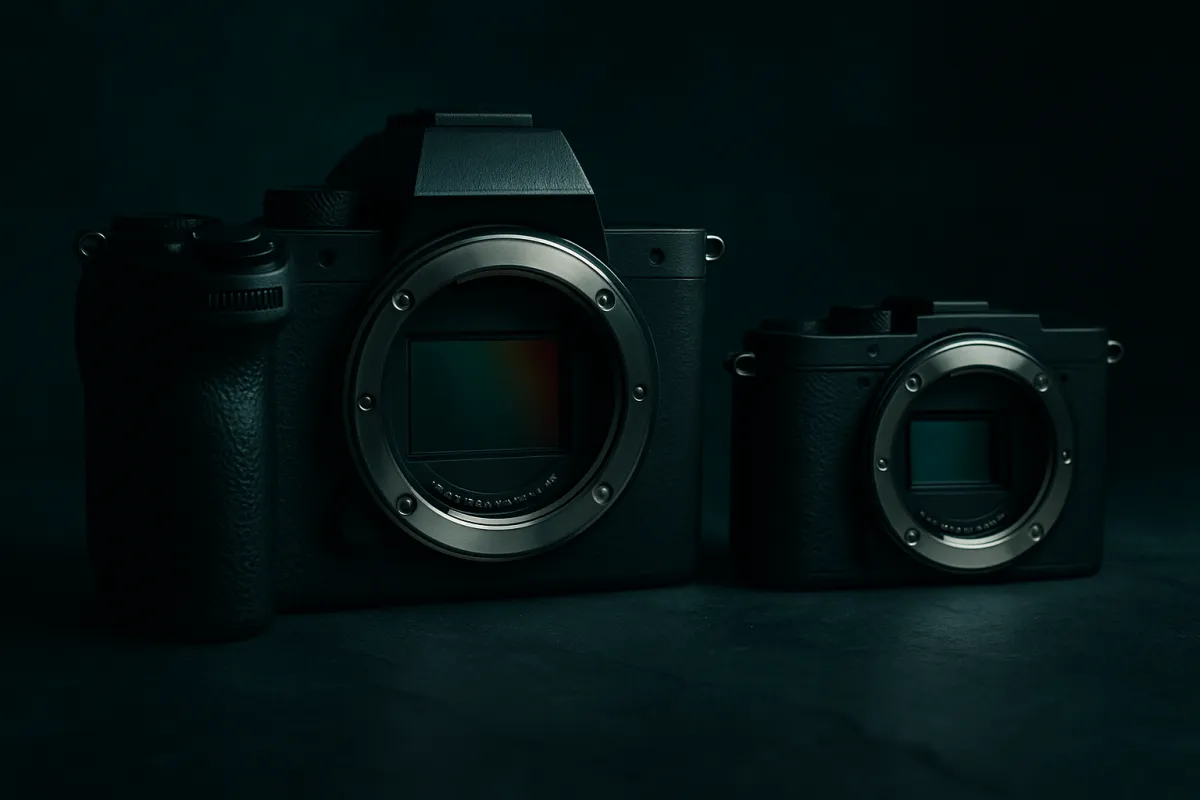
Strip the mystique first. A full-frame sensor matches the old 35mm film frame; a crop sensor, most commonly the APS-C size, is a smaller rectangle, roughly 1.5x smaller on each axis depending on brand. Same job, different surface area: the bigger sensor is a bigger bucket for collecting light, and nearly every real difference between the formats flows from that one fact.
What sensor size is not: a quality score. Both formats sit in the same modern camera generations, share autofocus systems, color science, and build philosophies, and both produce files that would have embarrassed professional gear from fifteen years ago. The photographs hanging in galleries and filling magazines come from both. Holding that frame matters, because the rest of this article is a series of trade-offs, light versus weight, blur versus reach, money versus margin, and trade-offs only make sense between legitimate options. You are not choosing between real and lesser; you are choosing between two sets of strengths.
The light-gathering advantage, honestly sized
The bigger bucket catches more light, and that is full frame’s headline advantage: at the same settings, the larger sensor collects more total light, which shows up as cleaner images when the light gets thin and the ISO climbs. Between same-generation sensors, the usable advantage runs roughly in the neighborhood of a stop, sometimes a little more, which is the difference between an evening interior that looks crisp and one that looks gritty.
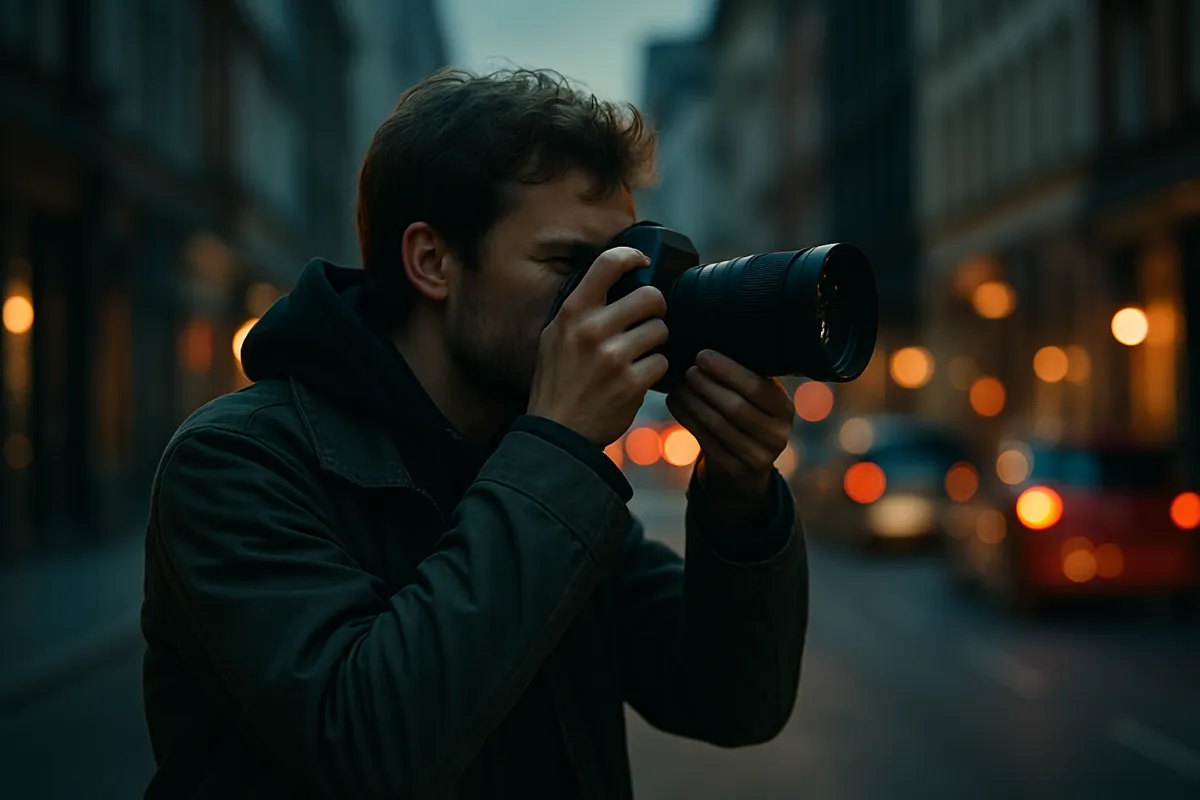
Two honest qualifiers size the advantage correctly. First, it only matters where light is scarce: in daylight, at base ISO, on a tripod, the formats produce files no viewer could sort. Second, lenses can buy back much of the gap: a fast prime on a crop body admits enough extra light to stand toe-to-toe with a slower lens on full frame, a point our field note on upgrade order makes at length. The photographers for whom the sensor’s stop is genuinely decisive are the ones already at the limit, shooting events, concerts, and night streets with fast glass and still wanting more. If that is not your life, the headline advantage may be worth very little to you.
Depth of field: the blur question
The second real difference is the one portrait shooters feel: for the same framing and aperture, the full-frame image shows a shallower depth of field, more of that melted-background separation between subject and scene. Equivalently, full frame can produce blur at moderate apertures that a crop body needs faster, costlier glass to match. For photographers whose style leans on subject isolation, portraits, weddings, editorial looks, this is the format’s most seductive quality.
The flip side is symmetrical and less advertised: sometimes depth of field is the enemy, and the crop sensor’s deeper focus at a given aperture is the feature. Landscape shooters wanting front-to-back sharpness, macro shooters fighting paper-thin focus planes, and street shooters zone-focusing all benefit from the smaller format’s behavior, or reach the same result at wider apertures and faster shutter speeds. As with light gathering, lenses blur the line: a fast prime on crop produces genuinely shallow looks, and plenty of celebrated portraiture has come off smaller sensors. The question to ask is not “do I like blur,” everyone likes blur, but “is extreme subject isolation central enough to my photographs to steer the whole system purchase?”
Crop factor: tax on wide, gift on long
The third difference changes what your lenses do. Because the smaller sensor sees a tighter slice of the lens’s image, every focal length acts longer on crop, by the crop factor, typically around 1.5x. A 50mm frames like a 75mm; a 300mm telephoto frames like a 450mm. Whether that is a tax or a gift depends entirely on which end of the zoom range your photography lives at.
For wildlife, birds, sports, and airshows, it is a plain gift: the crop body squeezes more reach from every telephoto dollar, and the money saved on glass is enormous, because long fast lenses are the most expensive objects in photography. This is why crop bodies are not the budget choice but the strategic one across much of the wildlife world. For landscapes, architecture, and interiors, it is a tax: the wide lens you loved is no longer wide, and true ultra-wide options for crop exist but thin out at the premium end. General-purpose shooters feel it mostly as a lens-shopping quirk, since manufacturers build standard zooms for each format that land the same practical range. Know your subjects’ focal lengths, and the crop factor sorts itself from villain to hero accordingly.
The system cost gap, not the body gap
Here is where the decision gets financially real. Body prices already favor crop, but bodies are the small money; lenses follow the sensor, and full-frame glass, built to project a larger image circle at premium standards, costs and weighs substantially more, tier for tier. The fast lenses that actually exploit full frame’s strengths are the priciest of all, which produces the quiet irony of the format: buyers who stretch for the body and then mount one budget zoom have purchased the costs of full frame while declining its benefits.
Realistic three-lens system cost
Body plus standard zoom, fast prime, and telephoto, mid-tier choices. Illustrative.
The format decision is a system decision: roughly a doubling, made mostly of glass. Price the kit you will actually own in three years before choosing the sensor, and let the planner keep you honest.
Where a full-frame system dollar goes
Approximate split of a three-year enthusiast kit spend. Illustrative.
Glass is the majority of either format's spend, which is why the format choice is really a lens-ecosystem choice, and why the body-price comparison misleads.
Run your own version in the upgrade budget planner before committing, because the format choice silently allocates years of future lens budget. And recall the first law of our field note on spending order: glass outlasts bodies. Choosing a format is really choosing which lens ecosystem your next decade of purchases lives in, which deserves more deliberation than any single body ever could. Our camera upgrade field note walks that deliberation in order, from naming the limit you are hitting to picking the one change that fixes it.
Weight: the spec that decides whether the camera comes along
The cost gap has a physical twin that matters more than buyers admit: full-frame systems are bigger and heavier, not dramatically at the body, but decisively once real lenses mount. A full-frame kit with a fast zoom is a deliberate object, a thing you decide to carry; a crop kit with equivalent coverage rides in a small bag and comes along by default.
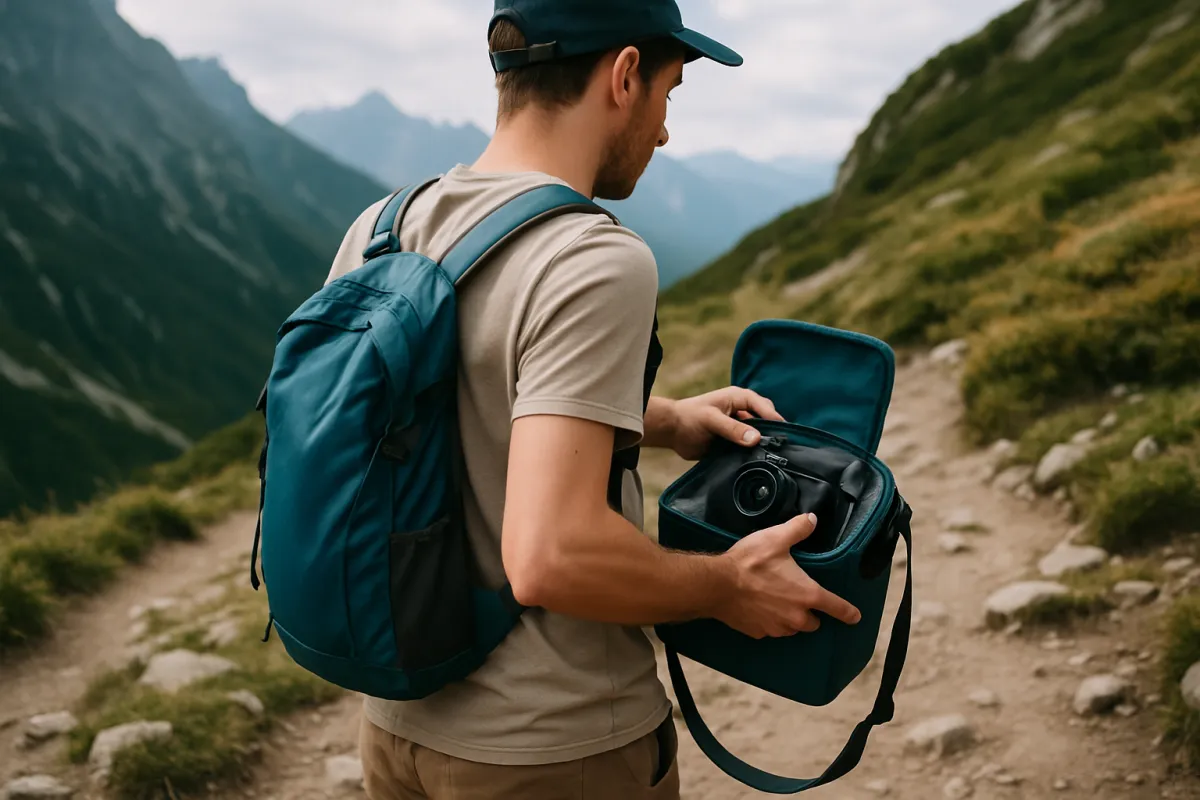
This is not a soft consideration; it is a photographic one, because the camera left at home takes no pictures. Travel shooters, hikers, parents, and street photographers consistently report the same arc: the heavier system produces better files of fewer moments, the lighter one produces very good files of the moments that actually happened. Some photographers genuinely do not mind the weight, and for them the point is moot. But every buyer should answer it honestly, with their own habits as evidence, because a stop of high-ISO advantage delivers nothing from a shelf.
Autofocus, video, and the specs that do not care about format
A clarifying fact the format war obscures: many of the capabilities buyers actually crave, subject-tracking autofocus, burst speed, stabilization, video features, are generation features, not sensor-size features. A current crop body routinely out-focuses and out-shoots a full-frame body from a few generations back, and within a brand’s current lineup, the autofocus brains often trickle across formats.
Video shooters in particular should weight this heavily: the specs that shape video life, stabilization quality, overheating behavior, codec options, autofocus reliability in motion, distribute across both formats, and the crop side often delivers the more practical video packages at a given price. The practical checklist for these capabilities is model-by-model research, not format allegiance. The clean way to think about it: sensor size sets the photographic physics, light, depth, reach, while the model and generation set the operational experience. Buy the physics your subjects need, then the best operations your budget allows, and refuse to let either decision impersonate the other.
Who genuinely benefits from full frame
Assemble the profile from the physics and it is specific. Full frame earns its cost for photographers who live in scarce light, event, wedding, concert, and night shooters for whom the extra stop is billable margin; portrait and editorial shooters whose style is built on aggressive subject isolation; landscape and fine-art photographers printing large, who bank the format’s dynamic-range and resolution headroom at the far end of the quality curve; and working pros for whom the deep professional lens ecosystems and second-body logic of full frame are business infrastructure.
Notice what unites the list: each case names a limit the smaller sensor actually imposes on that person’s real photographs. That is the test worth stealing. The buyers who end up delighted with full frame are the ones who could finish the sentence “my current camera stops me when…” with something the bigger sensor fixes. The ones who end up with an expensive shelf ornament finished it with “…people online said so.” If your sentence has a real ending, price the system honestly and go; the format will pay you back every dim evening you work.
Who is better served by crop
The crop profile is just as specific, and none of it is consolation-prize territory. Wildlife and sports shooters cash the reach gift every outing, getting framing that would cost thousands more in full-frame glass. Travel, street, and everyday photographers cash the weight dividend, owning cameras that actually attend their lives. Beginners and improvers get the same skill-building physics for half the money, with the difference funneled into the lenses and lighting that, per our upgrade-order field note, improve photographs more than sensors do. Budget-disciplined enthusiasts get a complete, excellent system instead of a stretched, partial one.
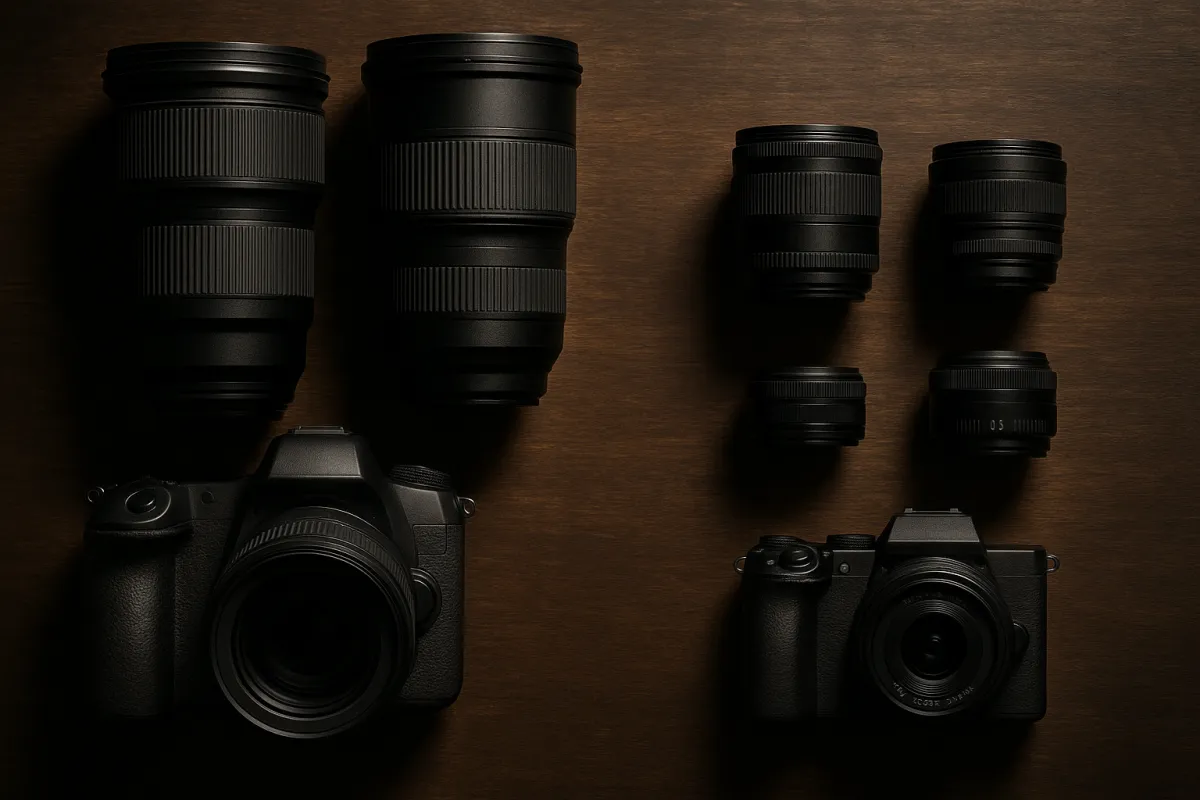
The honest summary of both profiles: full frame is a specialist’s advantage that marketing sells as a general one, and crop is a generalist’s advantage that forums dismiss as a beginner’s one. Both readings are backwards. Match the format to the subjects, and either purchase becomes the obviously right one for its owner.
The used market changes the math
One more wrinkle before deciding: the used market, which our field note on upgrading covers in depth, cuts across the format question interestingly. Because full-frame bodies depreciate like the computers they are, a used full-frame body a generation or two old often costs the same as a new mid-range crop body, putting the sensor advantages within reach of crop-format budgets.
The trade is exactly what you would guess: the used full-frame route buys the physics, light, blur, lens compatibility, while giving up the current generation’s autofocus, video, and warranty comfort that the new crop body delivers. Sort it by subject once again: the low-light portrait shooter takes the used full frame and never looks back; the action, travel, and video shooter takes the new crop body’s modern operations and misses nothing. And in either direction, the standing rule holds, spend the savings on glass, because the lens you buy today outlives every body in this comparison.
How to decide from your own photographs
End the debate with evidence you already own. Open your last few hundred photos and read them like data. Where were they taken, and how many died to dim light, noise you hated, shutter speeds you could not hold? That is your low-light exhibit. How many are portraits where you wanted more separation than your gear gave, versus scenes where you wanted more in focus? That is your depth exhibit. What focal lengths did you actually use, clustered wide or long? That is your crop-factor exhibit. And how many good days produced no photos because the camera stayed home? That is the weight exhibit, and it is usually the most humbling one.
Score the four exhibits and the format picks itself: low-light and blur deficits point to full frame, reach and absence deficits point to crop, and a null result, most photos fine, no pattern of limits, points to keeping your money and buying glass or light instead, per the upgrade order. Ten minutes with your own library beats a hundred forum threads, because it answers the only version of the question that matters: not which sensor is better, but which limits are actually yours.
One refinement makes the exercise even sharper: run it on the photos you wish you had taken, not just the ones you did. The concert you left the camera home for, the portrait session you declined because the background would not blur, the bird that stayed a speck: the photographs that never happened are format evidence too, and they often point more decisively than the archive does. Between the library you have and the library you wanted, the honest picture of your limits, and therefore your format, is complete.
Dynamic range, prints, and the far end of quality
Beyond noise and blur sits a quieter full-frame advantage: dynamic range, the sensor’s ability to hold detail in bright skies and deep shadows simultaneously, and to survive heavy editing of raw files without falling apart. Larger sensors, generation for generation, give the editor more rope, shadows that lift cleanly, highlights that recover, files that tolerate the aggressive processing some styles demand. Paired with the format’s resolution headroom at the high end, this is why large-print landscape and fine-art photographers cluster in full frame and above.
The honest sizing of this advantage mirrors the noise discussion: it lives at the margins. Photographs exposed reasonably, edited moderately, and shared on screens will not reveal the difference; a viewer scrolling a phone cannot see dynamic range that was never stressed. The photographers who cash it are the ones who routinely shoot brutal contrast, sunrise landscapes, backlit portraits, interiors with windows, and edit hard, or who print at sizes where every quarter-stop of shadow quality shows. If your work lives on screens at web sizes, this entire section is a tie, which is itself useful information: it removes one more reason to pay the premium, and points the budget back at glass and light where screen-sized photographs actually improve.
The rest of the map: smaller and larger formats
APS-C and full frame dominate the argument, but the sensor map extends both directions, and knowing the edges sharpens the middle. Below APS-C sits Micro Four Thirds, a smaller-again format whose system weight and telephoto reach advantages are even more extreme, beloved by travel and wildlife shooters who prioritize the kit that disappears into a day bag, at the cost of another step in the light-gathering trade. Above full frame sits medium format, larger sensors with sublime files and prices to match, occupying the specialist territory where commercial, fashion, and landscape work meets budgets that make full frame look thrifty.
The edges teach the lesson the middle argues about: every format is a point on one continuous trade-off line between light gathering on one end and size, reach, and cost on the other. There is no discontinuity where cameras become real; there are only positions on the line, each optimal for someone. Framed that way, the full-frame-versus-crop question loses its tribal charge and becomes what it always was, a choice of position, and the photographer who understands why a bird shooter picks Micro Four Thirds and a fashion studio picks medium format already knows how to pick their own spot between them.
Switching formats: the real cost of changing your mind
Because the format decision is a lens-ecosystem decision, changing formats later costs more than the new body, and buyers should price the exit before the entrance. A photographer moving from crop to full frame within the same brand can sometimes carry lenses forward, crop-format glass often mounts on full-frame bodies in reduced-resolution crop modes, workable as a bridge, wasteful as a destination, while full-frame lenses generally serve happily on crop bodies, which makes glass-first buying a genuine hedge for the undecided.
Cross-brand switches are the expensive version: every lens sells at a used-market discount and rebuys at retail, and the accumulated accessories, batteries, flashes, and muscle memory ride along. The strategic takeaways are two. First, if you suspect full frame is your eventual destination, buying full-frame-compatible lenses for your crop body today converts the future switch from a system replacement into a body swap, a hedge our upgrade-order field note endorses. Second, the cheapest format switch is the one you never make, which is the entire argument for deciding by subject evidence now instead of by upgrade-ladder assumption, and for letting the used market absorb the experiment if you must run one.
Rent the answer before you buy it
For anyone still genuinely torn after the photo-library exercise, the camera industry offers an underused cheat: rental. A weekend with a rented full-frame body and one fast lens costs a small fraction of the purchase and answers the question with your own hands, in your own light, at your own subjects. Shoot the dim venue, the portrait session, the family evening, whatever your real photography is, and compare the files and the carry experience against your current kit.
The rental test works because it converts marketing claims into personal evidence at almost no cost, in the only laboratory that matters, which is your own photography on an ordinary weekend rather than a review site’s test chart. Renters routinely return with one of two clarities: either the difference sang to them, the low-light files, the blur, the finder experience, and the purchase proceeds with confidence, or the weekend quietly demonstrated that their photographs looked like their photographs on either sensor, and thousands of dollars stay home or route to glass. Both outcomes are wins. A rental before any four-figure system decision is the best cost-per-use ratio in this entire hobby: a few dozen dollars to de-risk a few thousand, and it doubles as a fun weekend of shooting.
The generational trap
One final pattern quietly distorts the whole debate: comparisons between formats routinely smuggle in a generation gap. The shooter who upgrades from a decade-old crop body to a current full-frame body experiences a revelation, and credits the sensor size for what is mostly ten years of autofocus, processing, stabilization, and sensor engineering. Had they bought the current crop body instead, most of the revelation would have arrived anyway, at half the system cost.
The correction is simple discipline: compare within generations. Current crop against current full frame shows the honest, bounded differences this field note has walked, a stop of light, blur behavior, reach, weight, and money. Current anything against old anything shows the march of technology, which is available in every format. This matters most for upgraders from older gear, who are the buyers most vulnerable to the trap: much of what you want is generational and cheap, not dimensional and expensive. Before paying the full-frame premium, price the current-generation body in your existing format, and check whether it already delivers the autofocus and files you were craving. Frequently, it does, and the lens fund grows again.
Common format-choice mistakes
The recurring ways this decision goes wrong, so you can skip them.
- Buying full frame with one budget zoom. All of the cost, almost none of the benefit; the format’s strengths live in its glass.
- Treating crop as temporary by definition. For reach, travel, and cost, it is the destination, not the layover.
- Pricing bodies instead of systems. The real gap is the three-year kit, roughly a doubling, and it is made of lenses.
- Expecting format to fix skills. Light, composition, and editing move photographs; sensors move ceilings.
- Ignoring the weight exhibit. The stop of ISO advantage is worth nothing on a shelf.
- Deciding by prestige. The client, the audience, and the print see the photograph; only the forum sees the spec sheet.
Each mistake is the marketing story winning over the physics, and the pattern repeats because the story is louder: entire influencer economies run on the upgrade ladder, while the physics sits quietly in the spec sheet waiting to be read. Reading it, as you now have, is the whole defense. The physics is cheaper, and unlike the story, it never changes its mind next product cycle.
The lens ecosystem you are actually joining
Because the format decides which lenses you can mount, choosing full frame or crop is really choosing a catalogue, and the catalogues differ in ways the body comparison hides. Full-frame systems, being where the flagship spending concentrates, tend to attract the deepest native lineups and the widest third-party support, especially at the fast, premium end that exploits the larger sensor. Crop systems vary more: some are richly served with purpose-built lenses, others thin out at the wide and fast extremes, nudging their owners toward adapted full-frame glass to fill the gaps.
This matters because a body is a five year purchase and a lens ecosystem is a decade one, as our note on spending order keeps insisting. Before committing to a format, list the specific lenses your photography will want over the next few years, the fast prime, the wide zoom, the long telephoto, and check that each exists at a price you can stomach on the mount you are considering. A cheaper body attached to a starved lens catalogue is a false economy, because the glass is where the pictures live. Third-party makers widen every catalogue and often deliver the best value in it, so factor them in, but confirm they actually support your chosen mount before assuming the option. The format with the lenses your subjects need beats the format with the better spec sheet and nothing good to put in front of it.
Crop mode: one full-frame body, two reaches
A detail that softens the reach argument: most full-frame bodies can shoot in a crop mode that reads only the central portion of the sensor, turning the same camera into an effective crop body on demand. Flip it on and a 300mm lens frames like a 450mm, recovering much of the reach that crop shooters prize, at the cost of resolution, since only part of the sensor is used. On a high-resolution full-frame body, the cropped file can still carry enough pixels to be genuinely useful, which our megapixel note frames as spending resolution for reach.
The practical effect is that a full-frame body is, in a sense, both formats in one: the whole sensor for wide scenes and low light, the cropped centre for distant subjects, switchable per shot. That flexibility is real, but it is not free. The cropped mode throws away the resolution and the light gathering you paid a premium for, so it is a convenience rather than a substitute for a dedicated crop system optimised end to end for reach. Wildlife shooters who live at the long end usually still find the purpose-built crop body the better value, since its whole design serves the reach they need. But for the occasional distant subject, crop mode means a full-frame owner is rarely stuck, which is worth remembering before assuming the formats are strictly either-or.
Closing the gap with technique and fast glass
Full frame’s headline advantage, roughly a stop of cleaner low-light performance, sounds decisive until you notice how much of it a crop shooter can claw back without changing sensors. The largest lever is aperture: a fast prime that opens to f/1.8 or f/1.4 gathers far more light than a kit zoom, and the extra stops it hands you can more than cover the sensor gap, a point our note on the best lens for low light develops in full. Put a bright prime on a crop body and it will often out-shoot a full-frame body wearing a slow zoom in the same dim room.
Technique supplies the rest. Bracing the camera, breathing out on the shutter, and using the slowest shutter speed you can hold steady all buy usable frames that a nervous grip throws away, as our note on sharp photos details. Understanding the exposure triangle, covered in our field note on it, lets you spend your stops where they cost the least for a given scene rather than defaulting to high ISO. Add image stabilization, careful metering, and disciplined editing, and the gap between formats in the real photographs, not the test charts, narrows to something many shooters never notice. The lesson is the one this whole field note keeps returning to: the sensor is one input among several, and a crop shooter who invests in glass and skill routinely beats a full-frame owner who bought the body and stopped.
Handling, controls, and the parts a spec sheet misses
Two cameras can match on sensor size and still feel completely different in the hand, and that feel decides how many keepers you bring home more than any number on the box. Full-frame bodies often, though not always, carry larger grips, more physical dials, and bigger viewfinders, which some photographers find faster to operate and steadier to hold, while crop bodies win the shooters who value a camera small enough to carry everywhere and quick to raise unnoticed. Neither is better in the abstract; they suit different hands and different photography.
The controls matter because a setting you can change without lowering the camera is a shot you are more likely to catch. Dedicated dials for aperture, shutter, and ISO, a viewfinder bright enough to compose in dim light, and a menu you can navigate under pressure all shape a shooting day far more than the sensor format does. This is why the honest way to choose is to hold both, ideally on a rental weekend as an earlier section suggested, and shoot your real subjects rather than reading spec comparisons. The format sets the physics; the body in your hands sets whether you enjoy using it enough to keep it with you, and the camera you keep with you is the one that takes the pictures.
The two-body question
Photographers who shoot for money or travel far often end up carrying two bodies, and the format choice shapes that decision as much as the single-camera one. A second body is insurance against a failure mid-shoot and a way to carry two lenses ready at once, and it does not have to match the first. A common, sensible pairing is a full-frame body for the low-light and portrait work where its sensor pays off, alongside a lighter crop body for reach and for the days when weight decides whether the camera comes along at all.
The lesson is that the formats are not always rivals; they can be teammates. Because lenses on a shared mount often move between the two bodies, a photographer can own both formats and let each do what it does best, the full frame for the dim ceremony, the crop for the distant field. For most single-camera owners this is a later concern, but it reframes the debate usefully: the honest end state for a committed photographer is frequently not one format winning outright, but the right tool reached for per shot, which is the same subject-first thinking this field note has argued from the start.
The bottom line
Full frame versus crop is a solved problem the moment you replace the ranking question with a matching one. The bigger sensor sells a stop of light, easier blur, and premium ecosystems, at double the system cost and real weight; the smaller one sells reach, portability, and budget headroom that becomes better glass. Read your own photographs for the limits you actually hit, price the whole kit with the budget planner, and buy the format whose specific advantages your specific subjects will cash. Either way, spend the difference on lenses and light, and let the forums keep the war; you will be out shooting.
KitBorough field notes are written to teach, not to sell, and nothing above is sponsored or brand-affiliated. Every price and comparison is an illustrative planning figure rather than a quote or a lab measurement for any particular body or lens, and the real numbers drift with brand, generation, and market. Before money changes hands, check current listings and specification sheets against the photographs you actually take.
Frequently asked questions
Is full-frame better than crop sensor?
Better at specific things, not better in general. A full-frame sensor gathers more total light, which buys cleaner high-ISO images and easier background blur, and its lenses frame wider for a given focal length. A crop sensor buys a smaller, lighter, cheaper system whose reach advantage actually helps wildlife and sports shooters. Which set of advantages matters depends entirely on what you photograph, which is why the honest answer is a match to your subjects, not a ranking.
What should you know before buying a full-frame mirrorless camera?
That the format is a system commitment, not just a body. Full-frame mirrorless cameras are where camera makers now put their newest bodies and lenses, and they buy you roughly a stop of low-light headroom and easier background blur than a crop sensor. The catch is cost and weight: the fast lenses that actually exploit a full-frame sensor are the priciest and heaviest objects in photography, so a realistic full-frame kit commonly runs two or more times its crop equivalent. Buy one because your photographs keep hitting a low-light or depth-of-field wall a smaller sensor imposes, and budget for the glass before the body, because the lenses are where the format's advantage and most of its cost live.
What does crop factor actually mean?
Crop factor describes how much smaller a sensor is than full frame, commonly around 1.5x for APS-C. Practically, it means a lens frames more tightly on the smaller sensor: a 50mm lens on a 1.5x crop body shows the view a 75mm would on full frame. That is a genuine gift for distant subjects, your telephotos act longer, and a genuine tax for wide scenes, where you need shorter, sometimes pricier lenses to get the same width.
How big is the full-frame low-light advantage really?
Meaningful but bounded: roughly in the neighborhood of a stop, sometimes a bit more, of usable high-ISO advantage between same-generation sensors. That is the difference between shooting an evening event at a noisy setting versus a clean one, real value for people who live in dim light. It is also an advantage a fast lens on a crop body can substantially claw back, which is why system thinking beats sensor worship.
Is full frame worth it for beginners?
Usually not as a first purchase. A crop body with one good lens teaches every skill photography has, costs far less as a system, and weighs little enough to actually come along. Full frame rewards photographers who already know they are hitting a sensor limit, low-light ceilings or depth-of-field wants their current gear cannot meet. Buying it first mostly buys weight and expense ahead of the skills that would use them.
Do professionals use crop sensor cameras?
Plenty do, and not as a compromise. Wildlife and sports shooters exploit the reach advantage, travel and documentary photographers exploit the size, and many working pros carry crop bodies as second cameras or full kits. The market's flagship spending concentrates in full frame, which shapes the perception, but paid work is delivered from both formats every day. The client sees the photograph, not the sensor spec.
Which costs more in the long run, full frame or crop?
Full frame, and by more than the body-price gap suggests, because the system follows the sensor. Full-frame lenses are larger and priced accordingly, and the fast glass that exploits the format costs the most of all. A realistic full-frame kit, body plus two or three good lenses, commonly runs two or more times its crop equivalent. Budget for the system you will own in three years, not the body in the cart today.
Should I buy a used full-frame or a new crop camera for the same money?
A genuinely good dilemma with a subject-based answer. The used full-frame route buys sensor advantages and lens compatibility at a discount, ideal for low-light and portrait shooters comfortable with older bodies and heavier kits. The new crop route buys modern autofocus, video, and warranty in a lighter system, ideal for action, travel, and general shooting. Decide by which advantage your photographs would actually cash.
Do megapixels matter more than sensor size?
For most buyers, neither deserves the attention it gets. Megapixels determine how large you can print and how hard you can crop; sensor size shapes light gathering and depth of field. Modern cameras in both formats carry more resolution than online sharing ever uses. Buy for the sensor behavior your subjects need and the lenses you can afford, and let the megapixel number be a tiebreaker at most.