What's on this page
- What Makes Instant Cameras a Genuinely Different Category
- Who This Comparison Is For
- The Real Cost of Ownership: Film, Not Just the Camera
- No Retakes: The Trade-Off at the Center of the Category
- Three Tiers at a Glance
- Flash Range and Exposure Control, the Specs That Actually Matter
- Minimum Focus Distance: The Mistake Nobody Warns You About
- Film Format and Print Size
- Battery Type: Disposable vs Rechargeable
- Instant Cameras vs Phone-Connected Portable Printers
- Square vs Rectangular Print Formats
- A Worked Example: Two Shooters, Two Frequencies
- Instant Cameras as Gifts: What to Know Before Buying One for Someone Else
- Accessories Worth Having From Day One
- Storing and Protecting Finished Prints
- Traveling with an Instant Camera
- Hybrid Instant Cameras with a Digital Preview
- Creative Techniques Worth Knowing Before Your First Pack
- Troubleshooting Common Instant Camera Problems
- Who Should Honestly Skip an Instant Camera
- Common Buying Mistakes
- Your Instant Camera Checklist
- A Note on Buying Used
- The Bottom Line
Short answer: The best instant camera for most first-time buyers is an entry-tier model with reliable automatic exposure and a flash rated for typical indoor and evening distances, in whichever film format's ongoing cost per shot fits how often you actually plan to shoot. Image quality and manual control matter far less here than exposure reliability, since every shot that comes out wrong is a wasted, non-refundable piece of film with no second attempt at that exact frame.
Instant camera shopping looks deceptively simple next to a regular camera comparison, since most listings reduce quickly to size, color and which accessories come in the box. The decision that actually matters, and the one most listings bury or skip entirely, is the ongoing cost of film and how reliably a specific camera’s automatic exposure handles real, imperfect lighting, because unlike a digital camera, every single shot on an instant camera has a real material cost and zero chance of a retake once the shutter has fired.
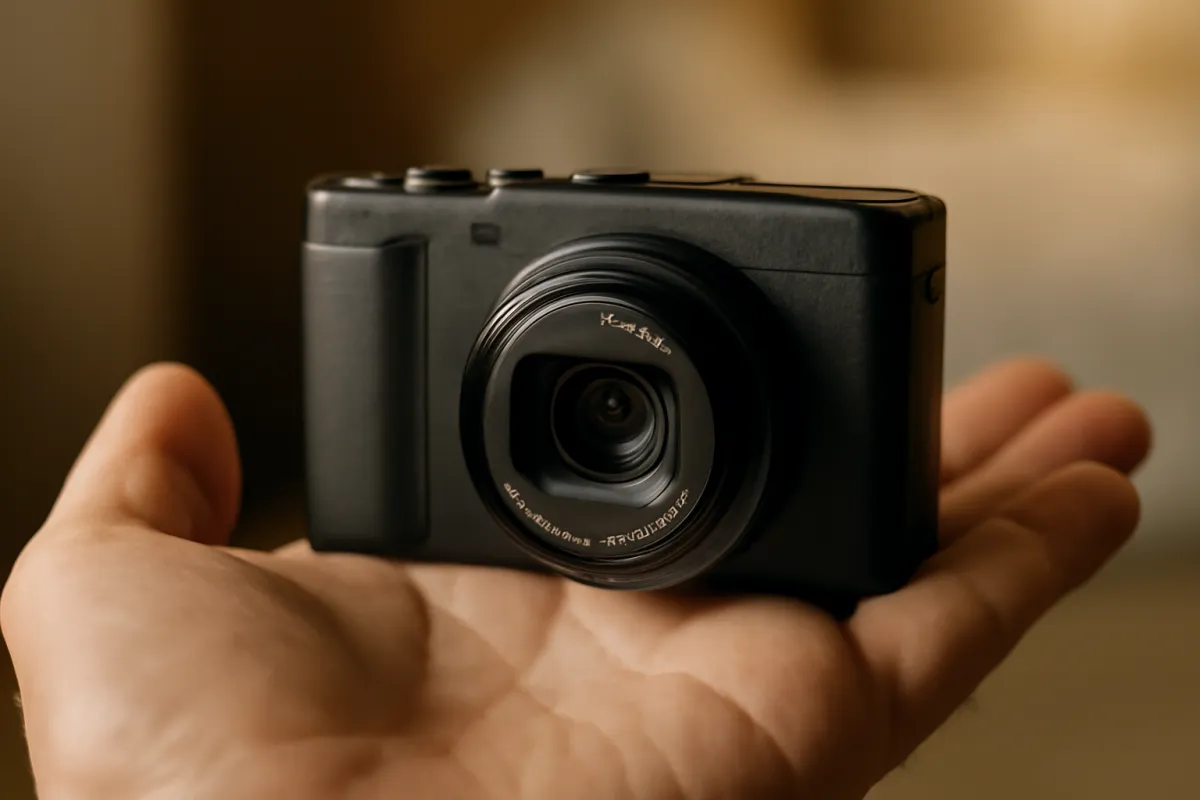
KitBorough’s broader point and shoot cameras field note touches on compact cameras generally; this field note goes specifically into the instant print category, which trades image quality and editability for something no regular camera offers at all: a physical, developing print in your hand within a minute of the shot. Weigh your own shooting frequency and budget for film against the tiers below in the instant camera cost planner before buying.
Key takeaways
- Every instant camera shot has a real, recurring film cost, typically one to three dollars per exposure, which matters more to the total cost of ownership than the camera's own price.
- There is no retake: once the shutter fires, the film ejects and develops regardless of focus or exposure, with no preview and no deletion.
- Reliable automatic exposure and an adequately rated flash matter more than resolution or any spec a digital camera comparison would prioritize.
- An entry-tier model suits most first-time buyers, since it reveals real shooting frequency and film-cost tolerance before spending more on a premium body.
- Film format decides the ongoing cost per shot and the print size; checking the format's real cost matters more than the camera's sticker price alone.
What Makes Instant Cameras a Genuinely Different Category
An instant camera is not a lesser digital camera, it is a fundamentally different kind of object, and buying one with digital camera expectations leads to disappointment that has nothing to do with the camera’s actual quality. There is no screen, no preview, no deletion and no file to edit later. The entire creative decision happens in the single second before the shutter fires, and the result is a physical print that exists in exactly one copy, with all of its flaws and all of its character locked in permanently the moment it ejects from the camera.
This is also why the specs that matter here differ so sharply from any other camera comparison on this site. Resolution is a meaningless concept for a format that prints directly onto chemical film rather than recording digital pixels. What matters instead is whether the camera reliably exposes a scene correctly in real, imperfect lighting, because a wrongly exposed shot cannot be fixed afterward the way an editable digital file can, it is simply a wasted, non-refundable piece of film.
Who This Comparison Is For
This field note is written for someone considering a first instant camera purchase, whether as a gift, for parties and gatherings, or as a deliberate creative choice to slow down and commit to fewer, more considered shots. It assumes no prior instant camera experience and compares the category honestly against both digital cameras and phones, rather than assuming the appeal is self-evident.
If broader point-and-shoot digital compacts are also under consideration, our point and shoot cameras field note covers that comparison directly. This field note stays focused on the instant print category specifically.
The Real Cost of Ownership: Film, Not Just the Camera
The single most important number in this entire comparison is not the camera’s price, it is the ongoing cost per shot of the film it uses, because that cost repeats every single time the shutter fires for as long as the camera is owned. Film typically runs from roughly one to three dollars per exposure depending on the specific format and pack size, which means a camera used regularly, several packs a month, can cost considerably more over a year in film than a pricier camera body used only occasionally at parties and special occasions.
This is the opposite of how most camera purchases work, where the body is the dominant cost and accessories are a smaller add-on. Here, a cheap camera used constantly can become the more expensive choice over its lifetime, while an expensive camera used rarely may end up the cheaper one in practice. Honestly estimating realistic shooting frequency before buying, and pricing a year of likely film costs against the camera’s own price, gives a far more accurate picture of the real total cost than the camera’s sticker price alone.
Illustrative one-year cost at three shooting frequencies
Illustrative total cost, camera plus one year of film at an illustrative $1.50 per shot, across three realistic shooting frequencies. A starting point to plan from, not a quote for any specific camera or film.
Even at a modest shooting frequency, a year of film commonly outweighs the camera's own price, which is why this field note treats film cost as the real decision rather than a footnote.
No Retakes: The Trade-Off at the Center of the Category
Every instant camera shares one defining limitation regardless of price or features: once the shutter fires, the film ejects and begins developing immediately, with no preview, no deletion and no second chance at that exact frame without spending another sheet of film. A blink, a shadow falling wrong, a finger partially covering the lens, all of these become a permanent part of the one print that exists, rather than a mistake quietly deleted and reshot the way a digital camera handles it without any cost at all.
Some cameras mitigate specific failure modes with features like basic exposure compensation for backlit scenes or a double-exposure mode for intentional creative effects, but none of them offer a true undo. Internalizing this before buying changes how the camera gets used in practice: slower, more deliberate framing, and a genuine willingness to accept an imperfect result as part of the format’s character rather than a defect to eliminate.
Three Tiers at a Glance
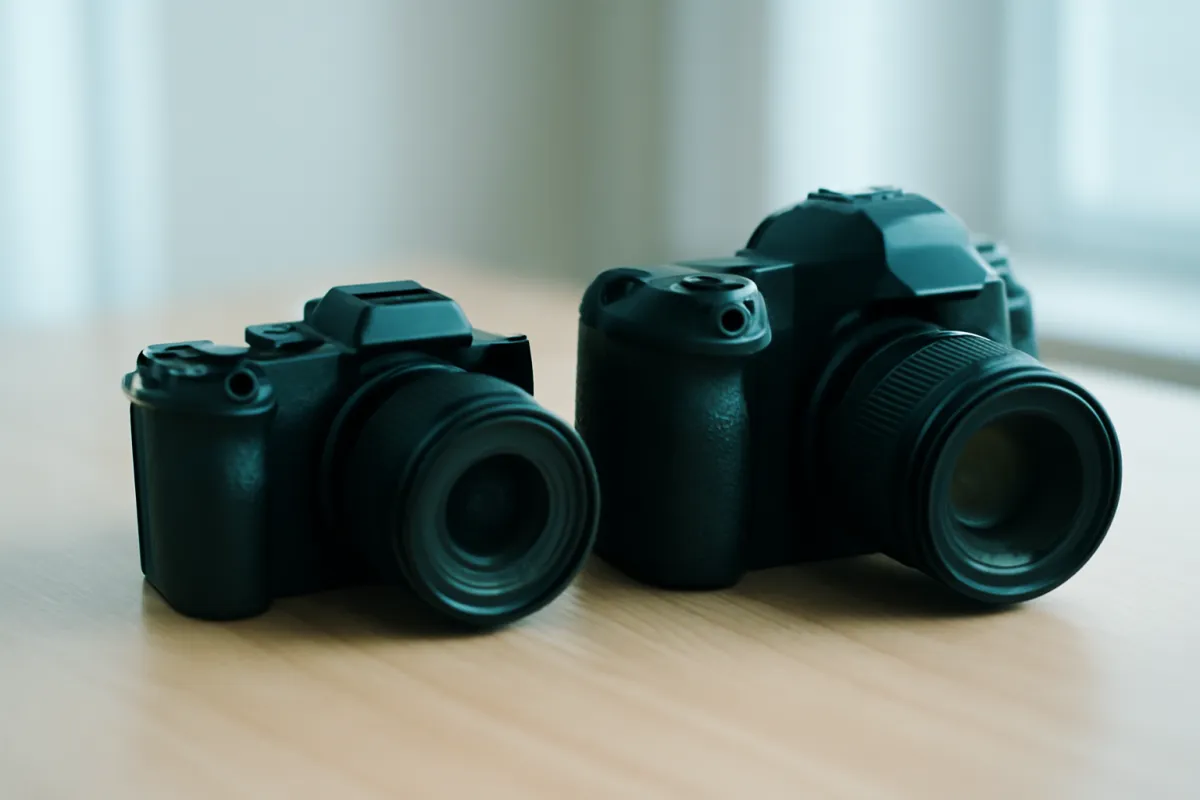
Instant cameras split into three practical tiers. Entry, a simple, fully automatic model with basic flash and exposure, suited to a first purchase or casual, occasional use at gatherings. Mid, a model adding more reliable exposure metering across varied lighting, a longer-rated flash, and sometimes a simple selfie mode or close-up lens attachment. Premium, often adding manual exposure control, a rechargeable battery instead of disposable ones, and sometimes a hybrid digital preview screen that shows the shot before committing film to it, a genuinely useful feature for reducing wasted shots.
What most often wastes a shot of instant film, ranked
Illustrative weighting, out of 100, of which mistake most commonly ruins an instant photo for a first-time shooter, drawn from common experience with the format rather than a measured study.
Exposure and distance mistakes dominate the list well ahead of handling errors, which is why this field note weighs flash range and minimum focus distance more heavily than any cosmetic feature.
Flash Range and Exposure Control, the Specs That Actually Matter
Flash range decides how far from the subject a shot can be taken indoors or in low light before the result comes out underexposed and muddy, and it is one of the few genuinely comparable specs across different instant camera models. Checking a candidate camera’s stated flash range against your realistic typical shooting distance, roughly arm’s length for a selfie-style shot versus several feet for a group photo, avoids the single most common wasted shot in the entire category: a dark, underexposed print from a flash that simply could not reach the subject.
Automatic exposure metering, which reads the actual scene and adjusts the flash or exposure accordingly rather than firing the same fixed output every time, meaningfully reduces wasted film in mixed or unpredictable lighting, such as an outdoor party moving between shade and direct sun. A simpler, fixed-exposure camera works fine in consistent, well-lit conditions but wastes noticeably more film the moment lighting gets unpredictable.
Minimum Focus Distance: The Mistake Nobody Warns You About
Most instant cameras have a fixed-focus or very limited-range lens, which means there is a real minimum distance below which the subject simply cannot be brought into sharp focus, regardless of lighting or exposure. A common and entirely avoidable wasted shot happens when a subject gets closer than this minimum distance, often during a close-up selfie-style shot, producing a soft, blurry print that no amount of good lighting could have saved.
Checking a candidate camera’s stated minimum focus distance, and whether it offers a close-up or selfie lens attachment to shift that minimum closer for portrait-style shots, is worth doing before buying specifically if close-range, selfie-style shooting is a major part of the planned use. Some cameras include this attachment as a small clip-on lens; others sell it separately or omit it entirely.
Film Format and Print Size
Film format decides two things at once: the physical size of the finished print and the ongoing cost per shot, and these two factors often move in opposite directions, a larger print format generally costing more per exposure than a smaller, more compact one. A smaller format suits frequent, casual shooting where cost per shot matters more than print size, while a larger format suits someone who wants a more substantial, displayable print and shoots less frequently as a result.
Checking the actual film cost for a candidate camera’s specific format, not just the camera’s own price, is the single most important piece of research in this entire comparison, since the camera is typically the smaller one-time cost and the film is the larger, recurring one across the life of ownership.
Battery Type: Disposable vs Rechargeable
Entry-tier instant cameras commonly run on disposable batteries, which is a real ongoing cost worth factoring in alongside film, while mid and premium tiers increasingly include a rechargeable built-in battery, trading a higher upfront camera price for a lower ongoing cost and less battery waste over time. For a camera expected to see regular use over a long period, a rechargeable battery usually pays for its higher upfront cost within a modest number of charge cycles compared with constantly replacing disposable batteries.
For a camera bought for occasional, infrequent use, such as a once-a-year party camera that sits in a drawer most of the time, disposable batteries avoid the specific problem rechargeable batteries have with infrequent use: a battery left uncharged for months can degrade or fully discharge to a point where it needs a full recharge cycle before the camera works again, an annoying surprise at the exact moment the camera is needed.
Instant Cameras vs Phone-Connected Portable Printers
A genuinely different but adjacent product exists worth distinguishing clearly before buying: a small portable printer that connects wirelessly to a phone and prints a physical copy of a digital photo already taken, rather than a camera that exposes film directly at the moment of the shot. These portable printers solve a different problem entirely, they let you choose, crop and edit a phone photo digitally first and print only the ones you actually want, completely avoiding the no-retake limitation that defines true instant cameras.
The trade-off is that a portable printer produces a reproduction of a digital photo rather than a direct chemical exposure captured by a lens and shutter at the moment of the shot, which some buyers consider a meaningfully different, less authentic experience than a true instant camera’s direct process. If editability and zero wasted shots matter more than the specific ritual of a camera physically ejecting a developing print the instant the shutter fires, a portable printer paired with a phone may suit the actual goal better than a true instant camera, and it is worth being clear about which experience is actually being sought before buying either.
Square vs Rectangular Print Formats
Beyond the cost-per-shot format question covered earlier, print shape itself is a genuine creative consideration some buyers overlook. A square format, a format strongly associated with the instant photography tradition, forces a particular kind of centered, deliberate composition that differs from the wider rectangular framing most phones and regular cameras default to, and some photographers find this constraint genuinely improves their composition by removing the option to simply frame however feels natural.
A rectangular format, where available, better suits group shots or wider scenes that a square crop would otherwise force uncomfortably tight, at the cost of losing some of the traditional instant photography aesthetic associated with the square shape. Neither is objectively better, and the choice is worth making deliberately based on the kind of subject matter planned rather than defaulting to whichever format a specific camera happens to use without considering whether it actually suits the intended shots.
A Worked Example: Two Shooters, Two Frequencies
Shooter one: buying a first instant camera mainly for occasional parties and gatherings, expecting to shoot maybe two or three packs of film a year. The honest move here is an entry-tier model with disposable batteries and basic automatic exposure, since the low shooting frequency means the premium tier’s extra features and rechargeable battery would go largely unused relative to their added cost. The film cost at this frequency stays modest regardless of which tier is chosen, so there is little reason to spend more.
Shooter two: planning to shoot regularly as an ongoing creative habit, several packs of film a month. Here, the film cost dominates the total cost of ownership regardless of which camera tier is chosen, which shifts the smarter spend toward a mid or premium tier with more reliable automatic exposure specifically to reduce the number of wasted shots, since at this frequency, a camera that wastes even one in five shots to poor exposure is quietly burning through a meaningful amount of film cost every single month. Run your own expected shooting frequency through the instant camera cost planner to see your realistic one-year total cost across tiers.
Instant Cameras as Gifts: What to Know Before Buying One for Someone Else
Instant cameras are a common gift purchase, and a few honest considerations make that gift land better. Including at least one pack of film with the camera itself is worth doing, since a camera with no film to load is a frustrating, incomplete gift that cannot actually be used the moment it is opened. Checking that the recipient’s realistic shooting habits match the camera chosen, a casual gift recipient who will use it occasionally does not need a premium tier’s extra features, matters more than picking the most impressive-looking model in a store.
Including a brief, honest note about the ongoing film cost is a genuinely considerate addition to the gift, since a recipient who does not realize film is a recurring cost may be unpleasantly surprised the first time they need to buy more, well after the gift-giving moment has passed.
Accessories Worth Having From Day One
A handful of inexpensive accessories improve the instant camera experience more than their modest cost suggests. A protective case, often a simple soft pouch sized for the specific camera, protects against the drops and scuffs a camera carried casually to parties and gatherings inevitably accumulates over time, and it is a cheap way to protect a device that otherwise has no real way to be repaired cheaply if the body itself is damaged.
Extra film packs bought in advance of an event where the camera will actually be used solves the single most common instant camera disappointment: running out of film mid-gathering with no way to buy more on short notice outside a specialty store. A simple photo album or a box of protective sleeves gives finished prints a dedicated home rather than accumulating loose in a drawer where they are more likely to get bent, scratched, or faded by light exposure over time. A wrist strap, often included but sometimes an afterthought, genuinely matters for a camera handed around a party to multiple people taking turns, since a dropped camera is a far more expensive mistake than a dropped and wasted shot.
Storing and Protecting Finished Prints
Instant film prints are reasonably durable when kept out of direct sunlight and high humidity, similar in stability to an ordinary printed photograph, but a few habits meaningfully extend how long the colors and clarity last. Avoid handling a freshly ejected print while it is still visibly developing, since physical pressure or bending during this window can create permanent marks or uneven development in the final image.
Once fully developed, storing prints in a dedicated album, a protective sleeve, or simply a drawer away from direct sunlight protects them far better than leaving them loose on a windowsill or taped to a wall in direct light, where UV exposure fades colors noticeably faster over months and years. For prints that matter enough to want a permanent digital backup, photographing or scanning the physical print preserves the image even if the original eventually fades or is damaged.
Traveling with an Instant Camera
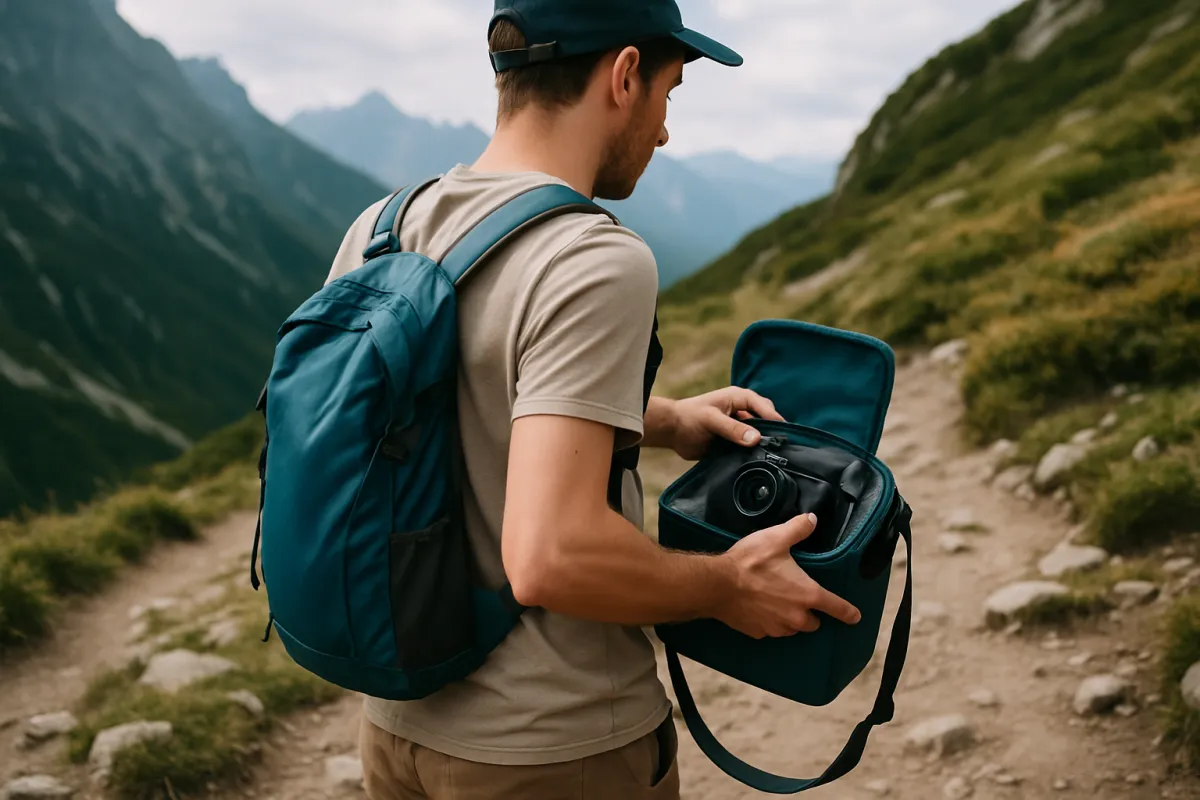
An instant camera travels well in some ways and poorly in others, and knowing which is which avoids a ruined trip’s worth of film. On the good side, the camera itself is typically small, light and simple enough to carry everywhere without the bulk of a full camera bag, making it a genuinely easy add to a daypack or even a pocket for spontaneous shots along a trip.
On the more delicate side, unexposed instant film is sensitive to heat and, depending on the specific film type, to airport security X-ray scanning in some cases, which makes packing it thoughtfully worth a few minutes of planning. Keeping film packs in a carry-on rather than checked luggage, away from direct heat sources like a car’s glovebox or a sunny windowsill while traveling, and loaded film used reasonably promptly rather than left in the camera for months, all protect against the specific ways heat and time degrade unexposed film’s reliability.
Hybrid Instant Cameras with a Digital Preview
A newer category of hybrid instant camera adds a small digital screen that shows the shot before committing it to film, letting the shooter retake a digitally previewed frame as many times as needed and then print only the one they actually want. This directly solves the no-retake problem that defines the rest of the category, at the cost of a meaningfully higher price and a camera that behaves less like a pure instant camera and more like a digital camera with an attached instant printer.
For a buyer who loves the physical print output but finds the zero-retake rule genuinely frustrating rather than part of the appeal, this hybrid category is worth a serious look despite its higher price, since the film savings from avoiding wasted shots can offset a meaningful portion of the price difference over time for a frequent shooter. For a buyer who considers the lack of a retake part of the format’s specific charm, a hybrid model defeats the point and a traditional instant camera remains the more honest choice.
Creative Techniques Worth Knowing Before Your First Pack
A few specific techniques make a real difference to the results from a first pack of film, and knowing them before shooting rather than after avoids wasting film on avoidable mistakes. Many instant cameras support a double-exposure mode, firing the shutter twice onto the same frame without advancing the film, which produces a deliberate ghostly overlay effect when used intentionally, though it also means two shots have both been spent on one single print.
A close-up or selfie lens attachment, where available for a specific camera, shifts the minimum focus distance closer and is worth using deliberately for portrait-style shots rather than guessing at a safe distance and risking a soft result. Shooting with the sun or the main light source behind the photographer rather than behind the subject avoids the single most common exposure mistake in the category, a backlit subject thrown into shadow while the camera’s automatic exposure correctly but unhelpfully exposes for the bright background instead.
Troubleshooting Common Instant Camera Problems
A handful of complaints come up repeatedly with instant cameras, and most have a specific, identifiable cause. Prints are coming out consistently too dark. This usually means shots are being taken beyond the flash’s actual rated range; check the stated range against your real shooting distance and move closer. Prints are consistently blurry. Check whether shots are being taken closer than the camera’s minimum focus distance, the single most common cause of soft instant photos, especially during close-up selfie-style shots.
The film ejects but nothing develops, or the image is blank. This is most often expired or heat-damaged film rather than a camera fault; check the film’s expiration date and how it has been stored, particularly whether it has been exposed to high heat. The camera will not fire the shutter at all. Check the battery first, since even a rechargeable battery left uncharged for a long period of disuse can fully discharge, and confirm a film pack is actually loaded and seated correctly, since most instant cameras lock the shutter entirely with no film loaded. Colors look faded or off on a print that has had time to develop fully. This is more often a storage issue, direct sunlight or high humidity over time, than a camera or film defect, and it is largely preventable going forward with the storage habits covered earlier in this field note.
Who Should Honestly Skip an Instant Camera
Not every photo need suits this category, and a brief, honest callout saves some buyers money on a purchase that would not actually serve them well. Someone who mainly wants to document a trip or an event comprehensively, with dozens or hundreds of shots to sort through and choose the best from afterward, is working against the category’s core limitation rather than with it, since the no-retake, no-preview nature of instant film makes it a poor tool for comprehensive, high-volume documentation.
Similarly, someone who primarily wants printed photos but is comfortable waiting and editing digitally first is usually better served by a regular camera or phone paired with a home photo printer or a print-from-app service, both of which offer the chance to select and edit the best shots before committing to a physical print, entirely avoiding the wasted-film problem that defines the instant category. Instant cameras earn their place specifically for the moment-capturing, physical-object experience, parties, gatherings, a deliberate slow creative practice, not as a general-purpose substitute for either a regular camera or a home printing setup.
Common Buying Mistakes
- Ignoring the ongoing film cost and focusing only on the camera’s price. Film cost dominates the total cost of ownership for anyone shooting regularly, often by a wide margin.
- Shooting closer than the minimum focus distance. A soft, blurry selfie-style shot from standing too close is one of the most common, entirely avoidable wasted shots in the category.
- Assuming the flash reaches farther than it actually does. Check the stated flash range against your realistic shooting distance before relying on it for group or room-wide shots.
- Buying a premium tier for occasional use. The extra features and rechargeable battery of a premium model go largely unused at a low shooting frequency, while the higher upfront cost does not.
- Gifting a camera with no film included. A camera that cannot be used the moment it is unwrapped is a frustrating, incomplete gift.
- Handling a print while it is still developing. This can create permanent marks or uneven color in the final image.
Your Instant Camera Checklist
- Estimate realistic shooting frequency honestly before choosing a tier, since film cost dominates the total cost at any meaningful frequency.
- Check the specific film format's cost per shot, not just the camera's own price.
- Confirm the flash range against your typical shooting distance, indoors and at events.
- Check the minimum focus distance, especially if close-range selfie-style shots are planned.
- Decide between disposable and rechargeable batteries based on expected frequency of use.
- Include at least one pack of film if buying the camera as a gift.
- Store finished prints away from direct sunlight and humidity to preserve color longer.
- Accept the no-retake trade-off as part of the format's character rather than a flaw to fight against.
A Note on Buying Used
Buying a used instant camera is a reasonable way to save money, with one check worth adding to the usual used-camera inspection habits: confirm the film door seals light-tight and the internal rollers that spread the developing chemical evenly across each print are clean and undamaged, since a worn or dirty roller can streak or unevenly develop every single print the camera produces afterward. A quick test shot, bought and sacrificed as part of the inspection, is worth the small cost to confirm a used body actually develops prints cleanly before relying on it for a gathering or a gift where a streaked or blank print would be a genuine disappointment rather than an acceptable, minor loss, and the same test shot also confirms the flash and exposure metering actually fire correctly.
Film itself is rarely worth buying used or well past its printed expiration date, since unlike the camera body, film degrades in ways that are not easily inspected before use and a bad pack wastes money on prints that never develop correctly regardless of how good the camera itself is. Buy film fresh from a seller with reasonable turnover rather than from the back of a drawer or a long-sitting online listing, and check the printed expiration date on the pack itself before paying for it, the same habit worth applying to any perishable good with a real shelf life and a cost that only becomes obvious once a whole pack has already been wasted on prints that never developed.
The Bottom Line
Instant cameras reward a specific kind of patience that most other cameras do not ask for, and buying one with that trade-off in mind rather than fighting it produces a far happier owner than buying one expecting digital camera convenience. The best instant camera is not the one with the most features, it is the one whose film cost and exposure reliability actually match how often you plan to shoot and how forgiving your typical lighting conditions are. An entry-tier model suits most first-time buyers, since it reveals real shooting frequency and film-cost tolerance before any money goes toward a premium body’s extra features, and flash range plus reliable automatic exposure matter far more here than any spec that would dominate a regular camera comparison.
Price the real ongoing film cost at your realistic shooting frequency before committing to a tier, since it is almost always the larger cost over the camera’s lifetime, and accept the format’s defining trade-off, no preview, no retake, as the actual appeal rather than a limitation to minimize. Run your own numbers through the instant camera cost planner, and if a broader digital point-and-shoot comparison is also useful, our point and shoot cameras field note picks up that comparison from here.
This field note compares instant camera categories and feature tiers rather than specific products: no brand or model is named on purpose, since listings, film availability and prices change faster than an article can track. Figures for film cost, wasted-shot patterns and print longevity are illustrative starting points for a general beginner category, not a specification for any one camera or film stock, so verify the exact flash range, minimum focus distance and real film cost of any specific listing before buying.
Frequently asked questions
Is an instant camera worth buying if I already own a regular camera and a photo printer?
The appeal is rarely about image quality at all, since a regular camera and printer combination produces a sharper, more controllable result every time. An instant camera's appeal is the physical print appearing within a minute of the shot, as a single, un-editable, one-of-one object, which is a genuinely different experience from reviewing a file on a screen and deciding later whether to print it. Buy one for that specific experience, not as a substitute for a real camera and printer.
How much does it actually cost to shoot with an instant camera regularly?
This is the single most important number to understand before buying, because unlike a regular camera, every single shot has a real, recurring material cost, the film itself, typically running from roughly one to three dollars per exposure depending on format and pack size. A camera bought cheaply but used often can cost considerably more in film over a year than a pricier body used occasionally, so matching the camera to realistic shooting frequency matters more than the body's price alone.
Does an instant camera let you retake a shot if it comes out wrong?
No, and this is the central trade-off of the entire category. Once the shutter fires, the film ejects and develops regardless of focus, exposure or a blinking subject, with no preview, no deletion and no second attempt at that exact frame without spending another sheet of film. Some models offer basic exposure compensation or a double-exposure mode to mitigate specific mistakes, but there is no true undo on any instant camera.
What is the single most important spec on an instant camera?
Flash range and exposure control matter more than almost anything else, because a shot that comes out too dark or too bright cannot be fixed afterward the way an editable digital file can. A camera with automatic exposure metering that reliably reads the actual scene, paired with a flash rated for your typical shooting distance, wastes far less film than a simpler fixed-exposure model used in the wrong lighting.
Are instant camera prints going to fade or last a long time?
Instant film prints are generally stable for years when kept out of direct sunlight and humidity, similar to ordinary printed photographs, though the exact longevity varies by film type and storage conditions. They are not inherently more fragile than a standard photo print, but like any printed photo, keeping them in an album or a protected space rather than loose in a bag or a sunny windowsill meaningfully extends how long the colors stay true.
Can beginners use an instant camera, or does it require photography experience?
Most instant cameras are designed specifically for a complete beginner, with automatic exposure and a simple point-and-shoot operation that requires no manual settings at all. The learning curve is less about photography technique and more about understanding the format's specific quirks, like how close you can focus, how the flash behaves, and how lighting conditions affect the result, since there is no screen to check the shot before it develops.
Should I buy a cheap entry instant camera or spend more on a premium one for my first purchase?
For a true first purchase, an entry-tier model is usually the smarter starting point, since it lets you confirm how often you actually want to shoot and how much the ongoing film cost bothers you before spending more on a premium body with features like manual exposure control or a built-in rechargeable battery that a casual shooter may never use fully.
What film format should a beginner choose for their first instant camera?
This depends on what matters more to you between cost per shot and print size. A smaller, more compact film format generally costs less per exposure and suits casual, frequent shooting, while a larger print format costs more per shot but produces a more substantial, displayable print. Check the ongoing cost of the specific film format a camera uses, not just the camera's own price, before deciding between formats.